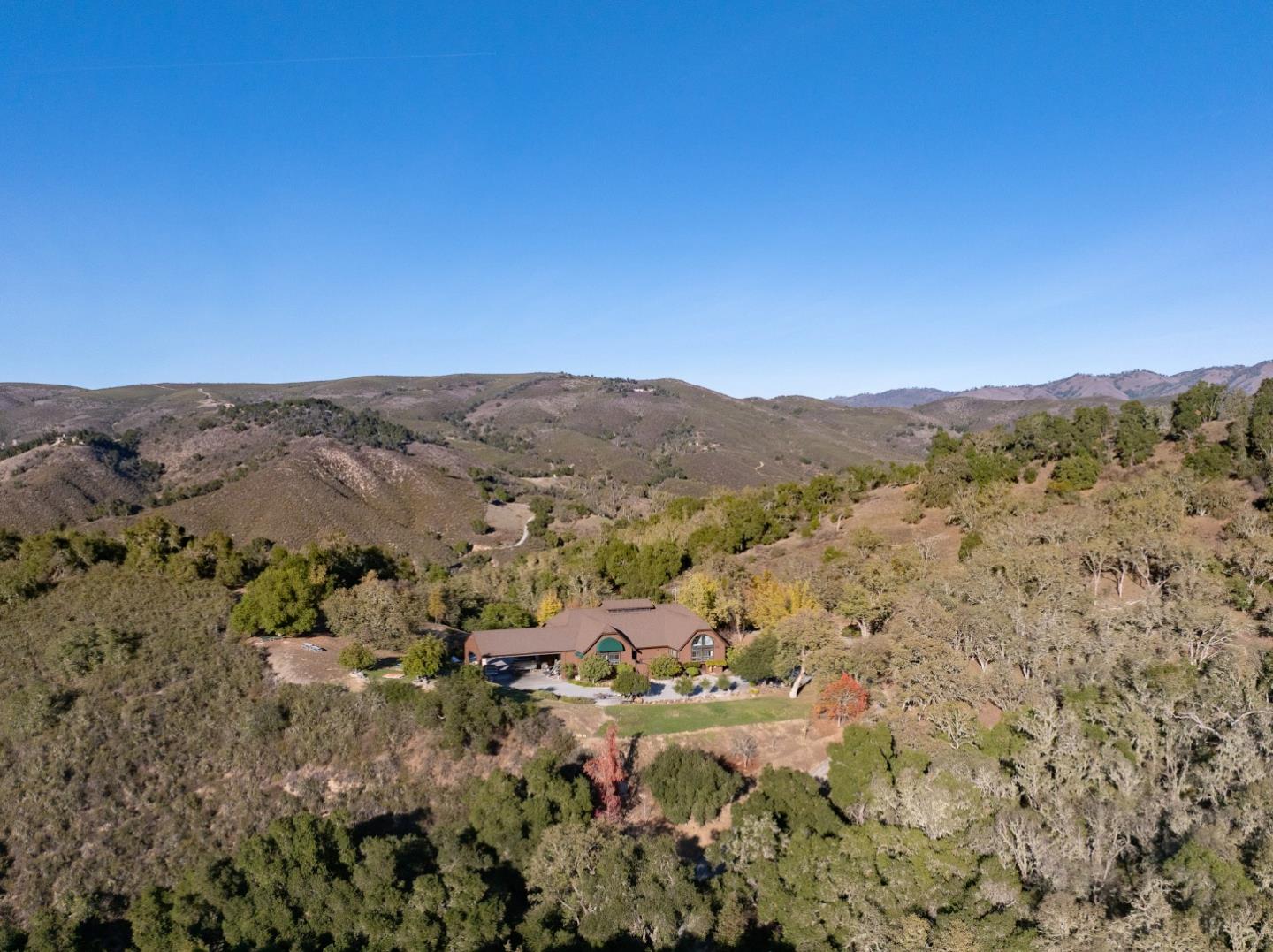
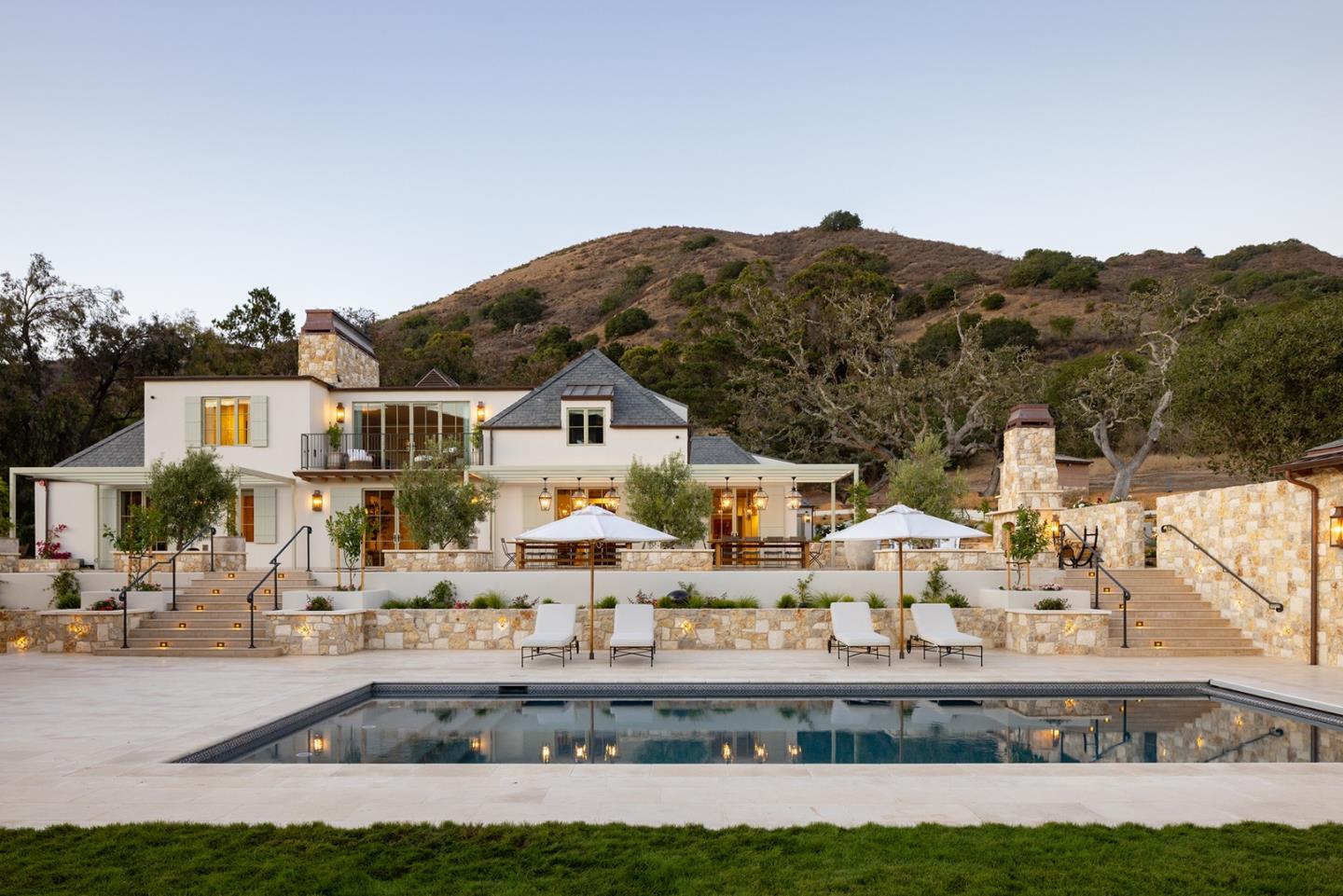
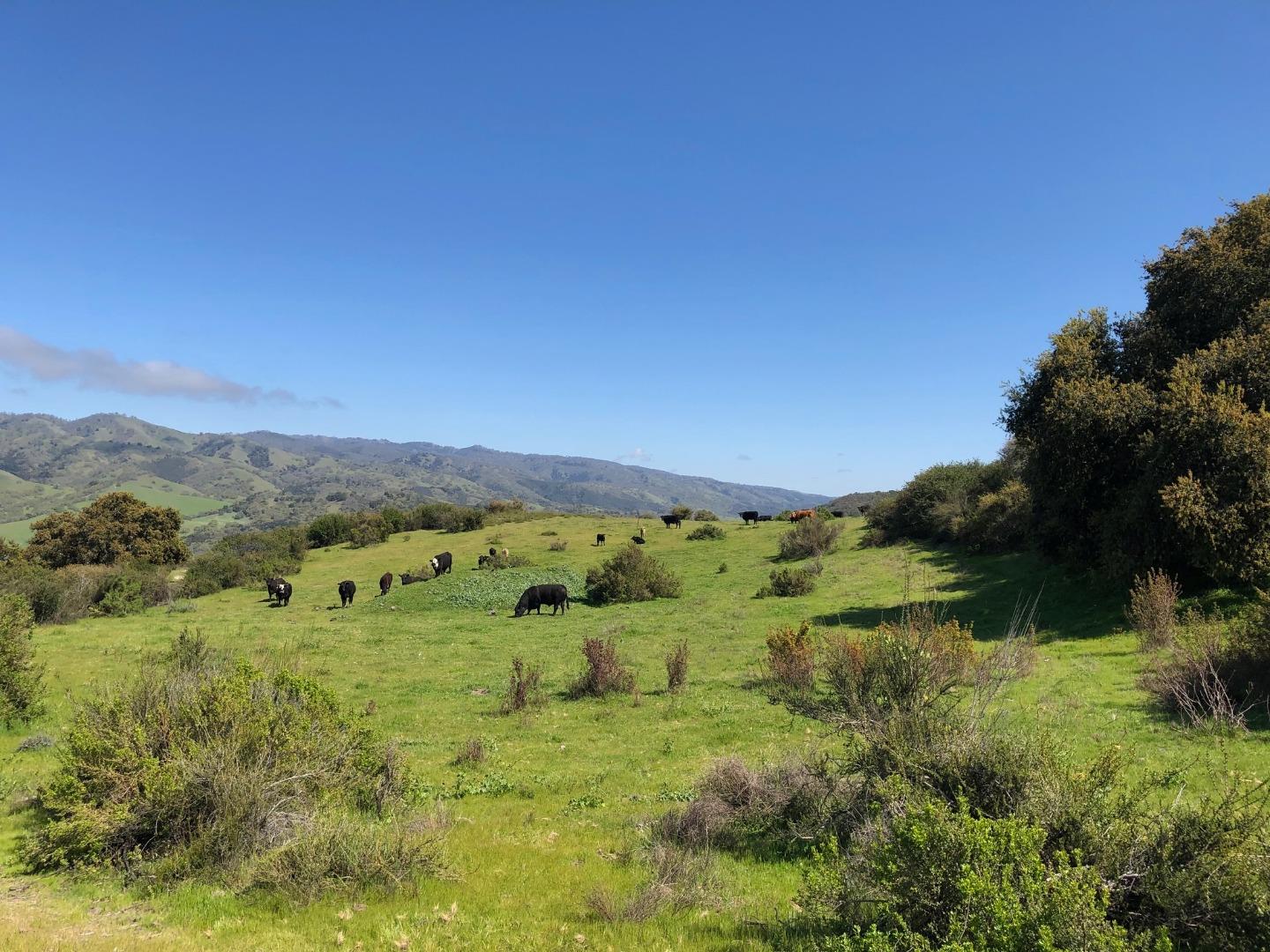
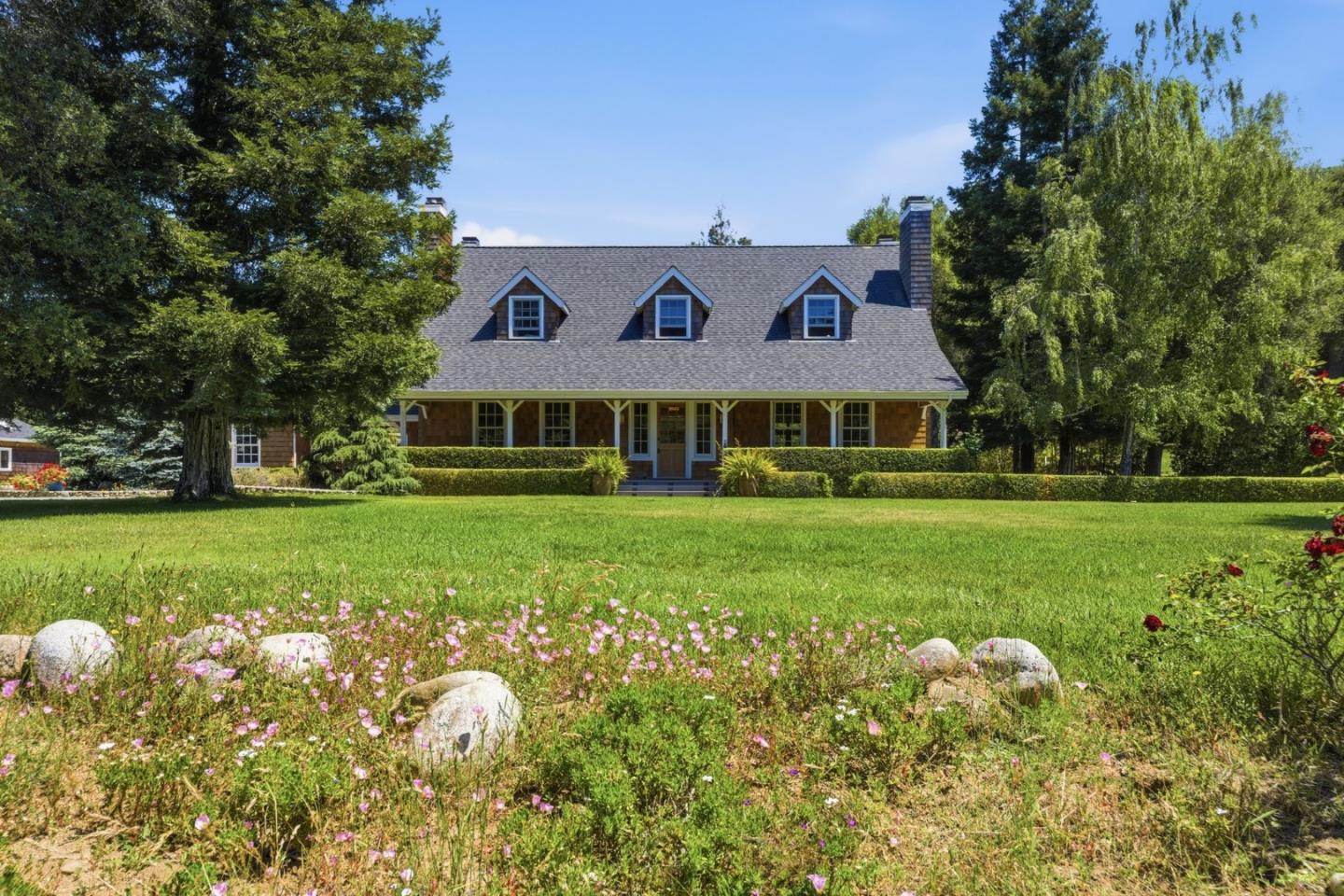
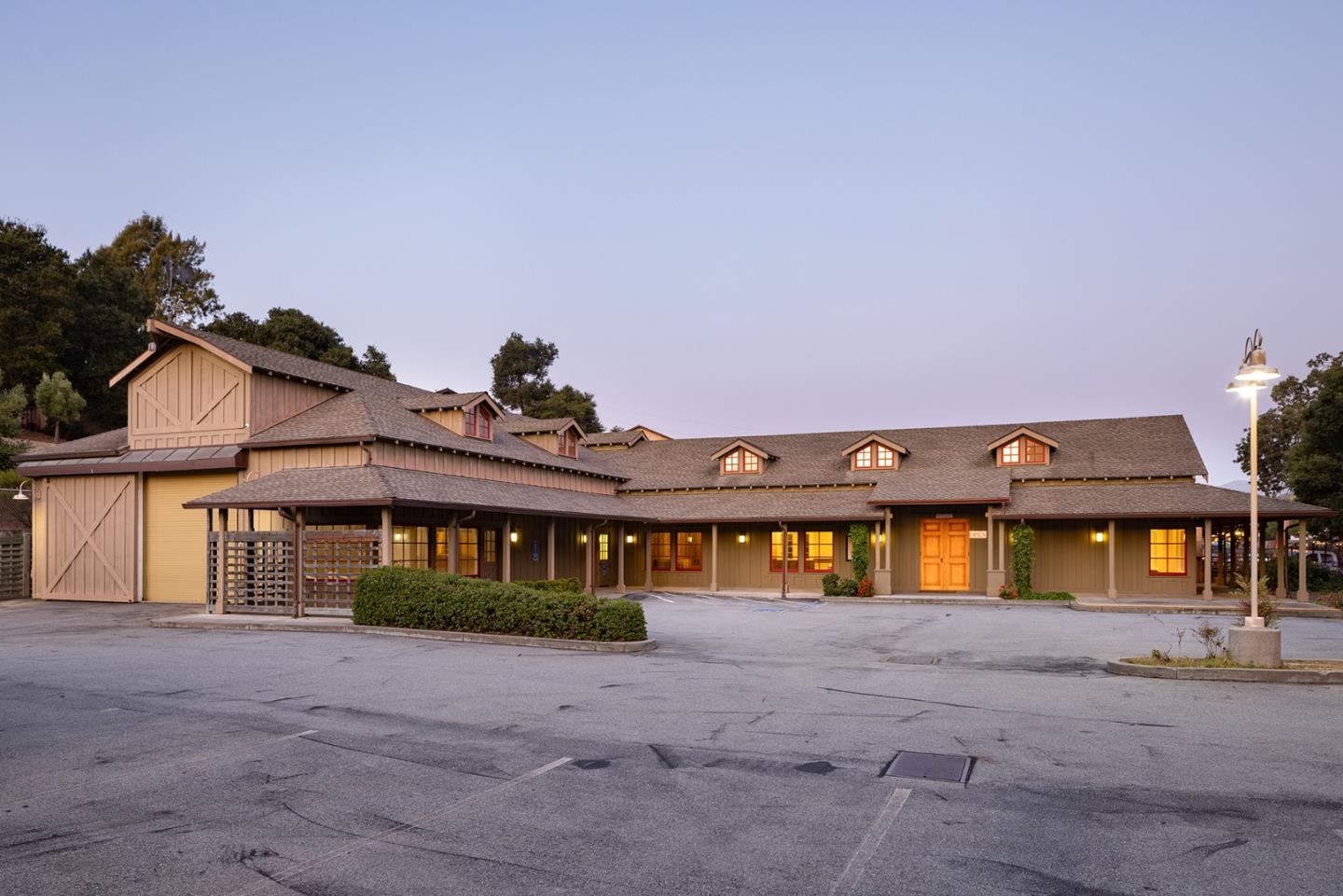
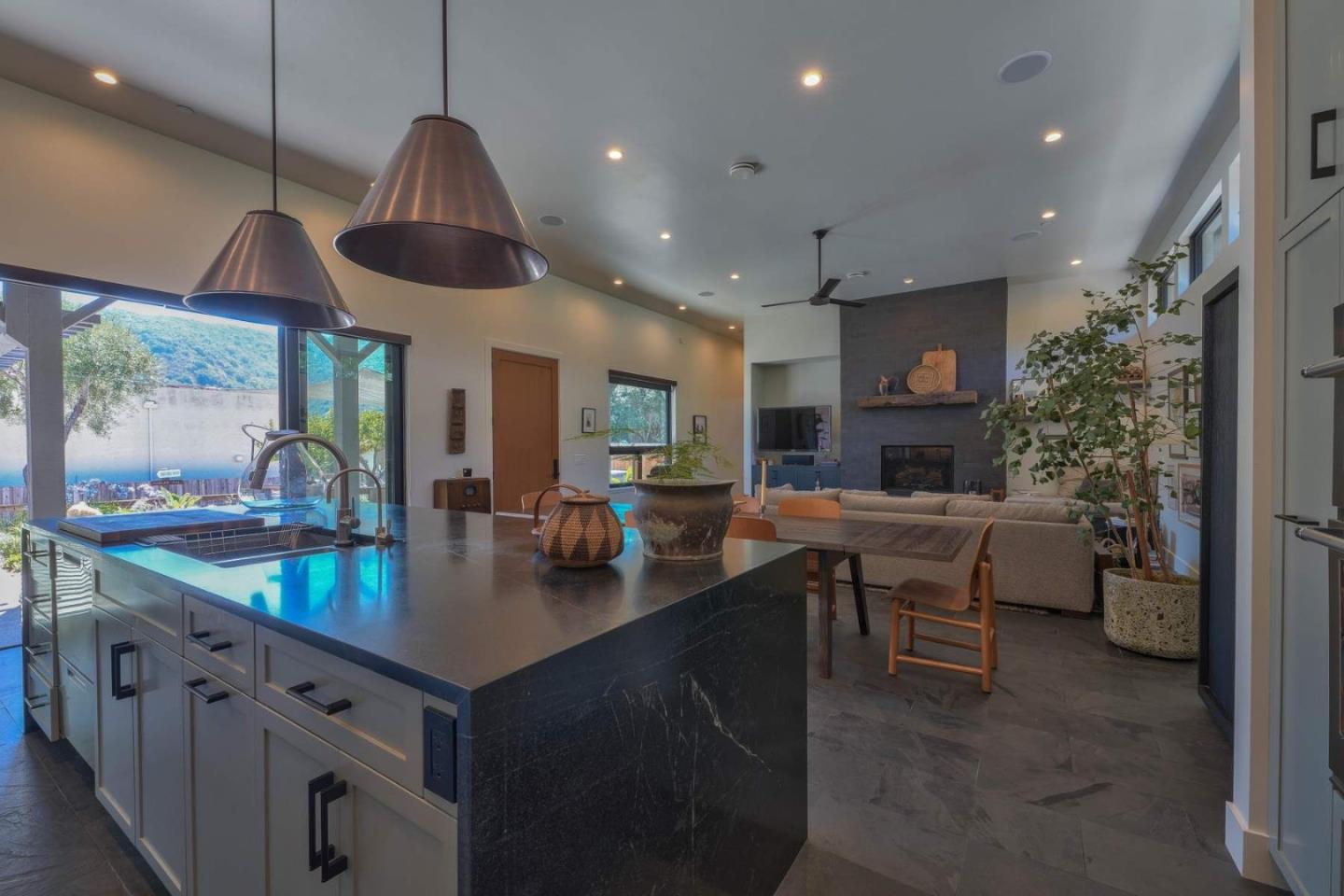
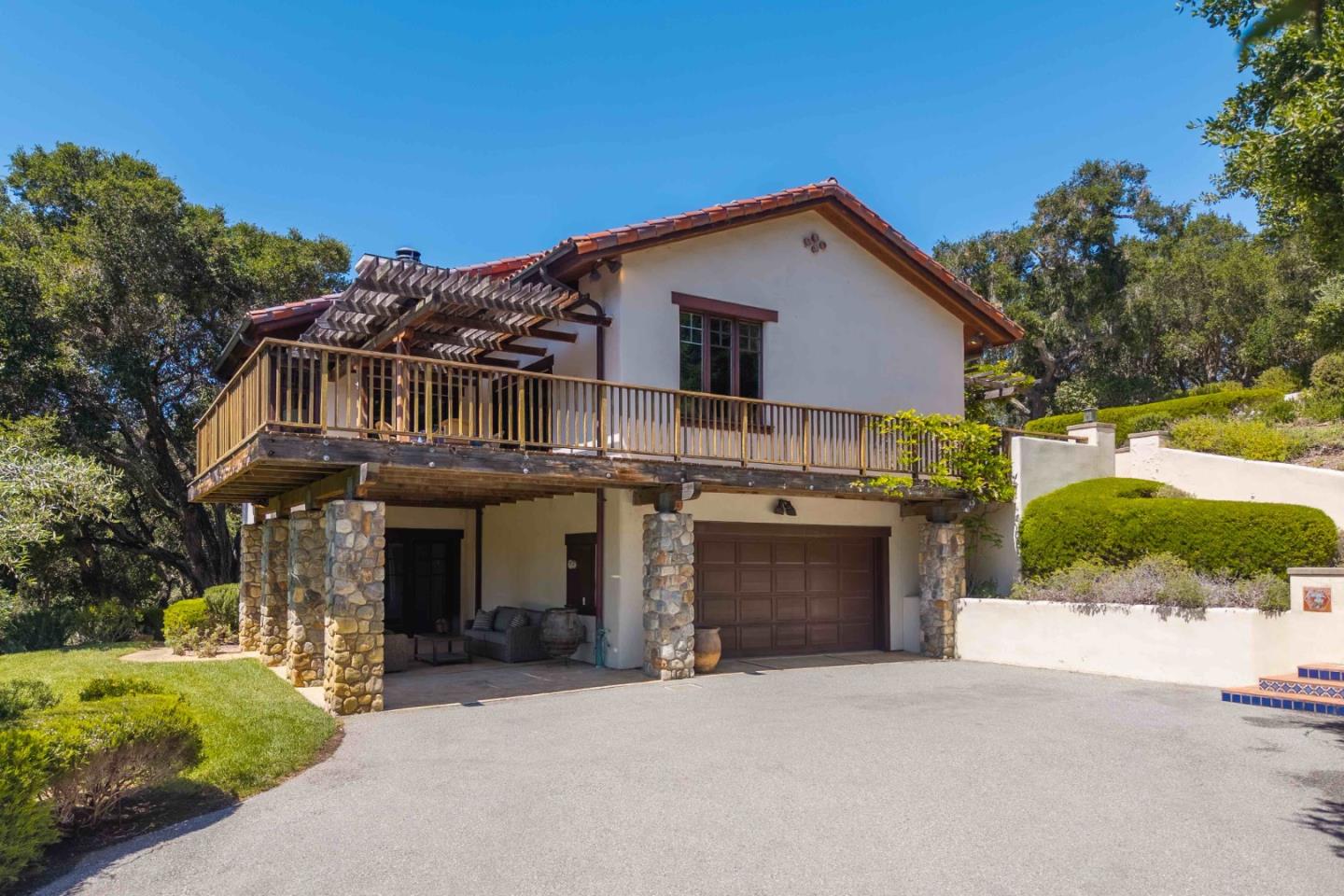
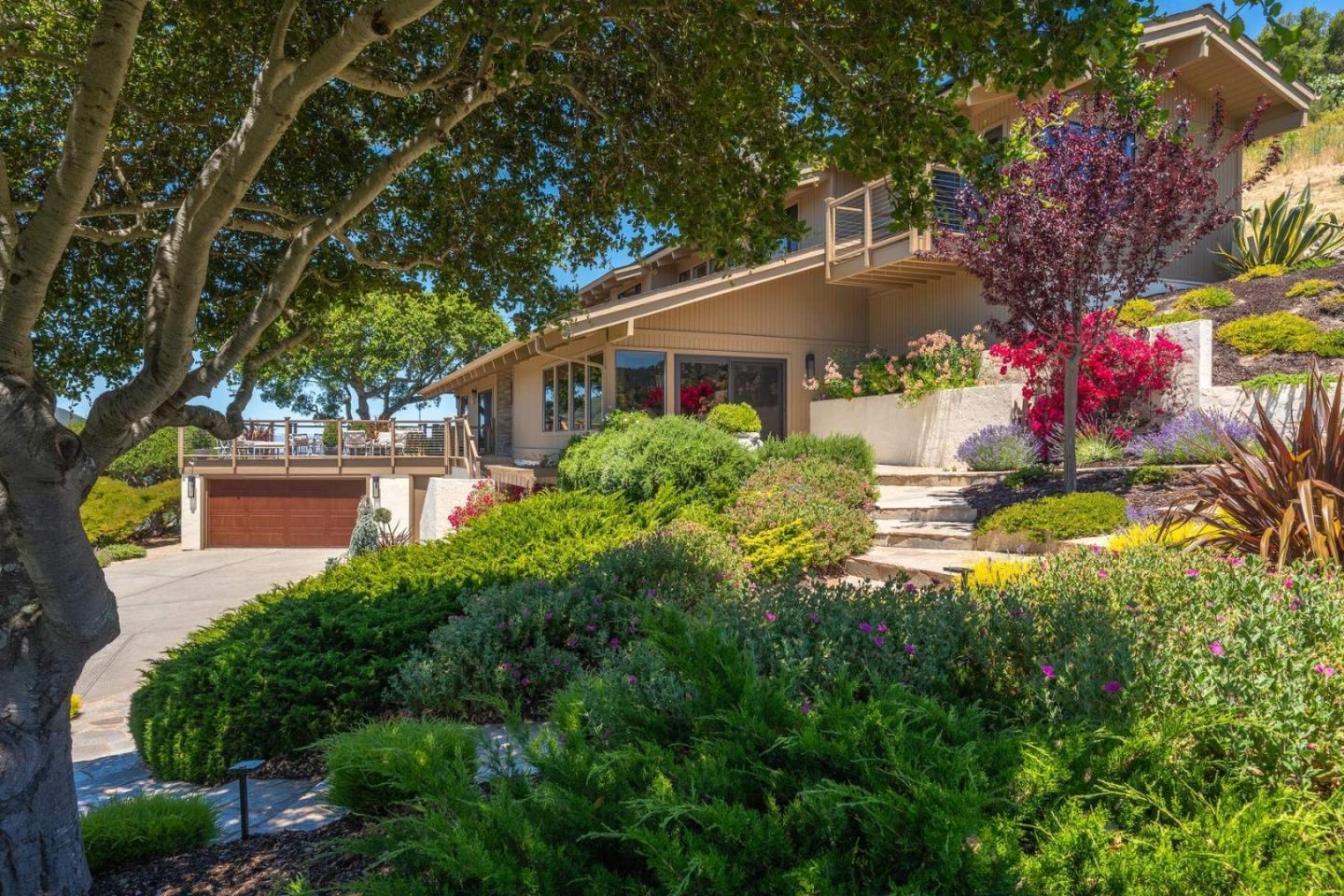
Carmel Valley operates differently from the coastal Peninsula markets. While only minutes from Carmel-by-the-Sea, it offers a warmer microclimate, larger parcels, vineyard landscapes, and a more rural residential feel.
Buyers drawn to Carmel Valley are often seeking space, privacy, and sun — without leaving the Peninsula entirely.
Below are the questions buyers and sellers most often ask when evaluating Carmel Valley real estate.
Carmel Valley is a land-driven market.
Unlike Carmel or Pacific Grove, where lot size is often secondary to walkability or ocean views, value in Carmel Valley is strongly influenced by:
Acreage
Usability of land
Privacy
Sun exposure
Topography
Water access (wells or district systems)
The Valley includes a range of property types:
Village-adjacent homes on smaller lots
Gated community properties (e.g., Quail, Hidden Hills)
Vineyard estates
Equestrian properties
Hillside homes with panoramic valley views
Inventory tends to be limited, and properties are often unique, making direct comparisons more nuanced than in tract-style neighborhoods.
Yes.
Carmel Valley supports a higher percentage of full-time residents compared to Carmel-by-the-Sea or Pebble Beach.
Contributing factors include:
Access to local schools
Larger homes suitable for families
Warmer, sunnier climate
More traditional residential neighborhood layouts
Greater lot privacy
While there are second-home owners — particularly in gated communities — the Valley functions primarily as a residential community rather than a resort enclave.
Climate is one of the defining factors.
Carmel Valley is generally:
Warmer
Sunnier
Less fog-prone
This microclimate difference significantly influences buyer decisions.
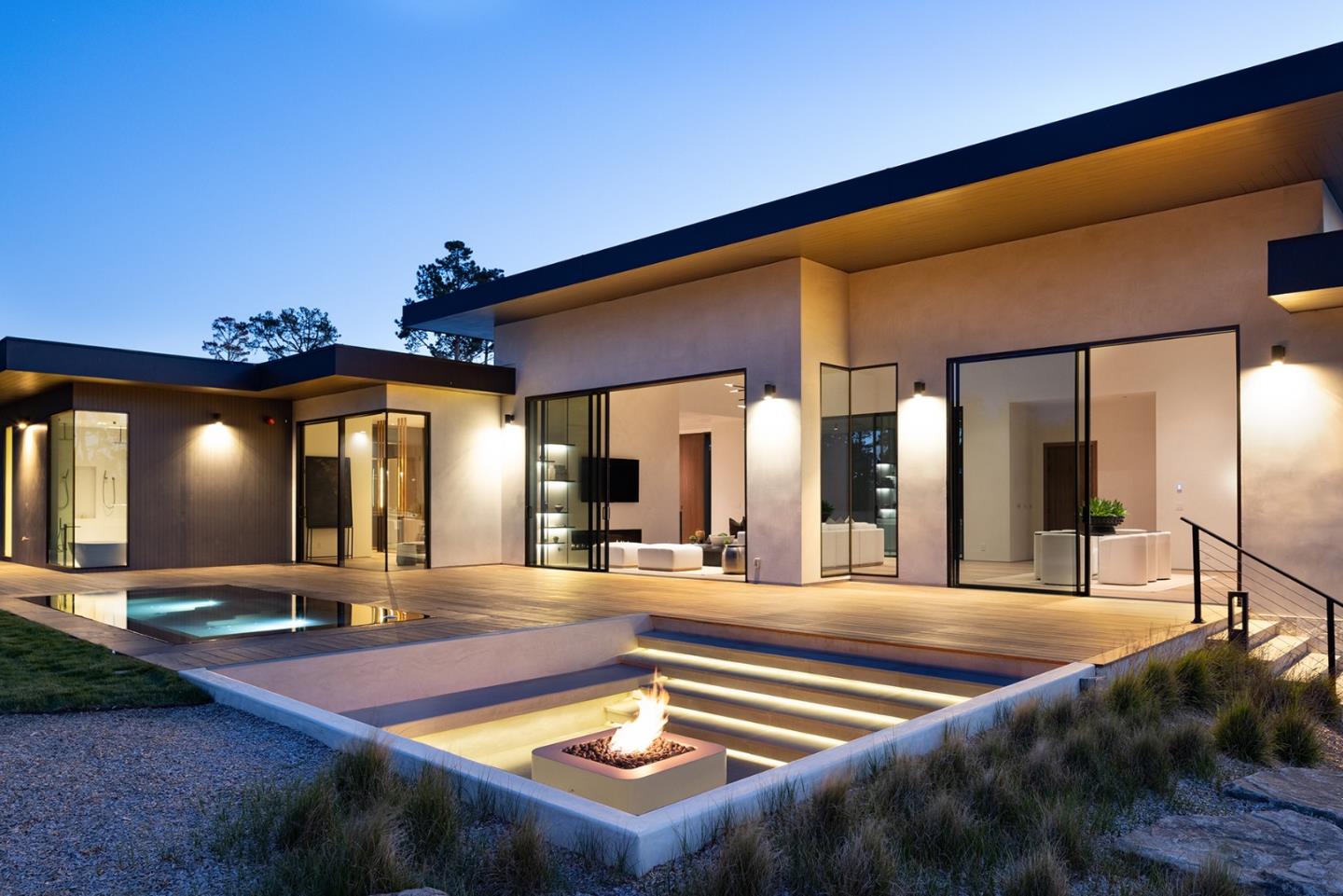
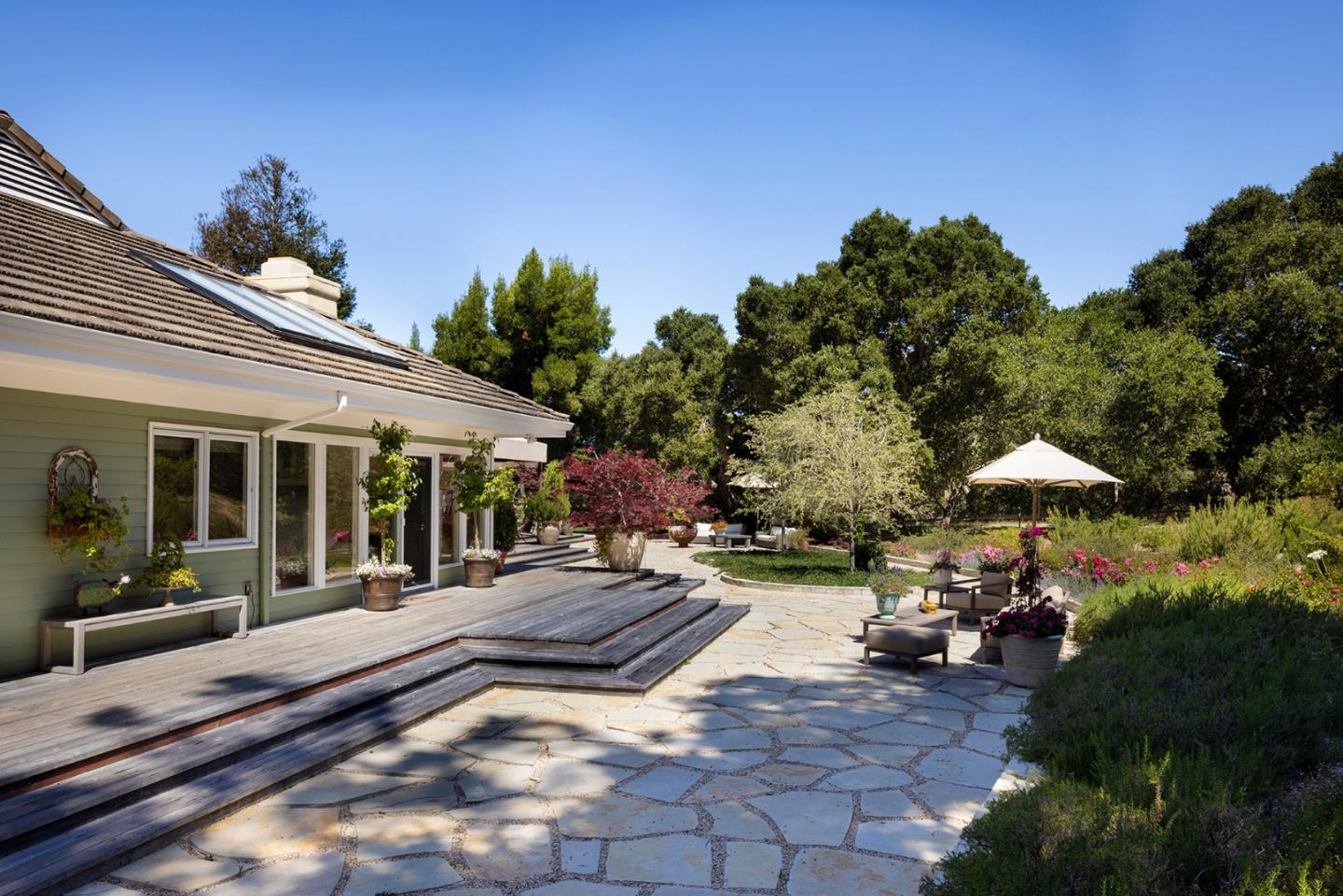
For many Peninsula residents, the Valley offers a contrast to coastal weather patterns. Outdoor living — patios, vineyards, equestrian facilities, gardens — becomes a larger part of the lifestyle.
Sun exposure and wind protection can materially influence property desirability within the Valley itself.
Several structural factors shape pricing:
Proximity to Carmel Valley Village
Access to Highway 1 and the coast
Usable acreage versus steep hillside terrain
Gated community amenities
Water availability
Privacy and setback from neighboring properties
In contrast to Carmel’s view-centric pricing, Carmel Valley values often correlate more directly with land quality and functionality.
Two five-acre properties can trade very differently depending on slope, access, and infrastructure.
Carmel Valley includes several gated communities such as:
Quail Meadows
Tehama
The Preserve
Other private residential enclaves
These communities typically offer:
Larger parcels
Architectural consistency
Shared amenities (in some cases)
Structured HOA governance
Gated properties can command premiums due to privacy and controlled access, but buyers should evaluate HOA guidelines and architectural restrictions carefully.
Unlike coastal towns with centralized systems, some Carmel Valley properties rely on:
Private wells
Septic systems
Propane
Rural road access
Water availability and well performance are important considerations. Buyers should conduct thorough inspections and review water rights or district access early in escrow.
Infrastructure can vary significantly from property to property.
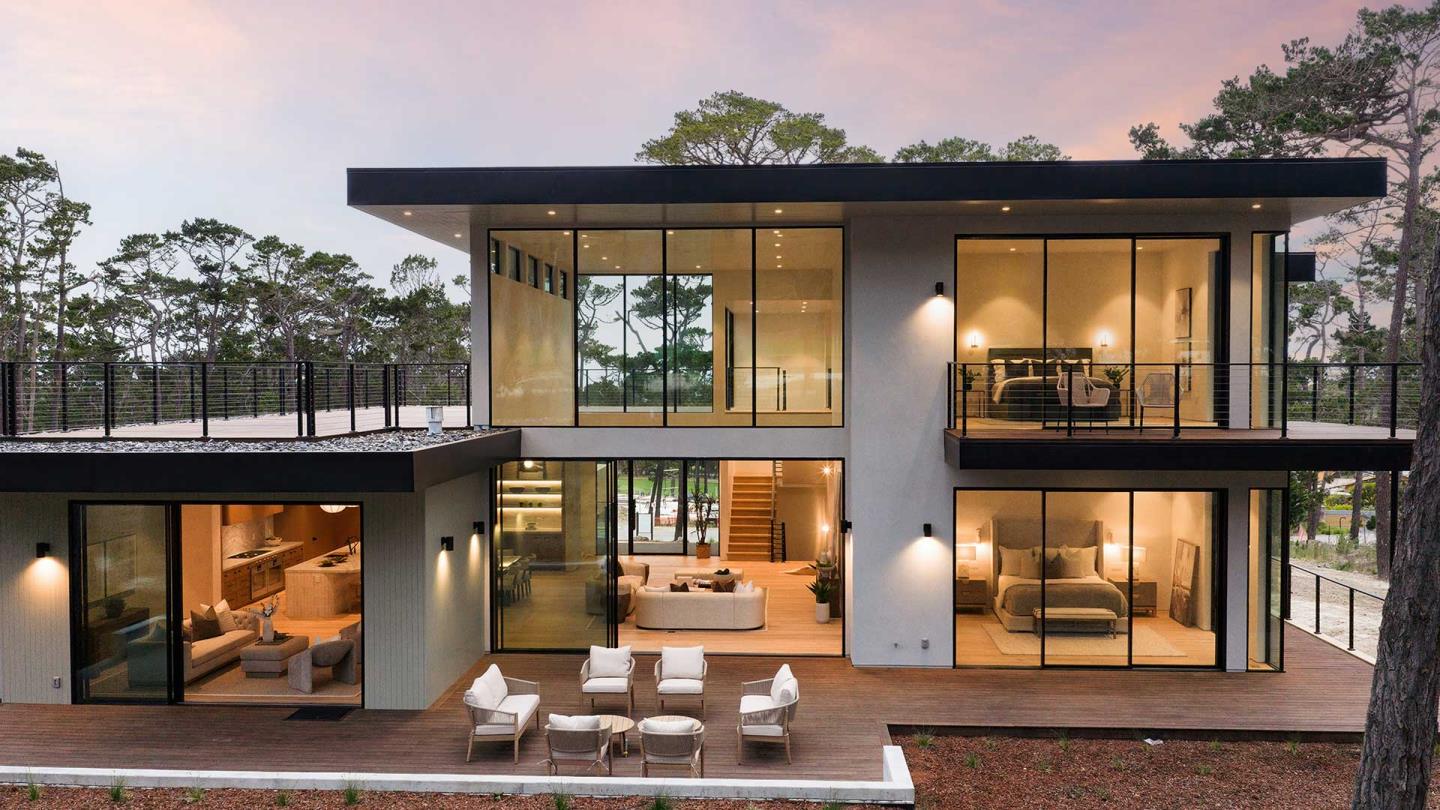
Carmel Valley includes luxury segments — particularly larger estates, vineyard properties, and gated community homes — but it also includes more modest residential properties near the Village.
Luxury in Carmel Valley is typically defined by:
Acreage
Privacy
Architectural scale
View corridors across the Valley
Usable outdoor space
It is a different type of luxury than oceanfront Carmel or Pebble Beach — more land-oriented and lifestyle-driven.
Because Carmel Valley supports many primary residences, demand can be more rate-sensitive than ultra-luxury coastal submarkets.
However, supply constraints — particularly for usable acreage and well-located properties — provide long-term support.
The uniqueness of many Valley properties means pricing is highly property-specific.
Well-located homes with functional land and updated interiors tend to perform most consistently.
The comparison is less about price and more about lifestyle.
Carmel-by-the-Sea emphasizes:
Walkability
Ocean proximity
Cottage architecture
Compact lot sizes
Carmel Valley emphasizes:
Space
Sun
Privacy
Larger homes and parcels
Many buyers initially consider both before deciding whether they prioritize coastal charm or inland space and climate.
Neither is inherently superior — they serve different residential goals.
Because properties are land-driven, sellers should prioritize:
Clarifying acreage usability
Providing well and water documentation
Addressing deferred exterior maintenance
Highlighting outdoor living features
Accurately positioning the home relative to Village access
Carmel Valley buyers tend to evaluate functionality carefully. Clear information about infrastructure and land condition builds confidence.
Carmel Valley is defined by space and sunlight.
Its appeal lies in privacy, land, and climate rather than density or tourism.
Because it is largely built out and geographically limited by surrounding terrain, supply remains constrained — particularly for usable acreage close to the Village.
For buyers and sellers, understanding micro-location, infrastructure, and land functionality is more important than focusing solely on square footage or general market averages.

Compass
6th Ave between Dolores St and San Carlos
Carmel-by-the-Sea, CA 93921
CA DRE# 02127946
The Weathers Gannaway Group