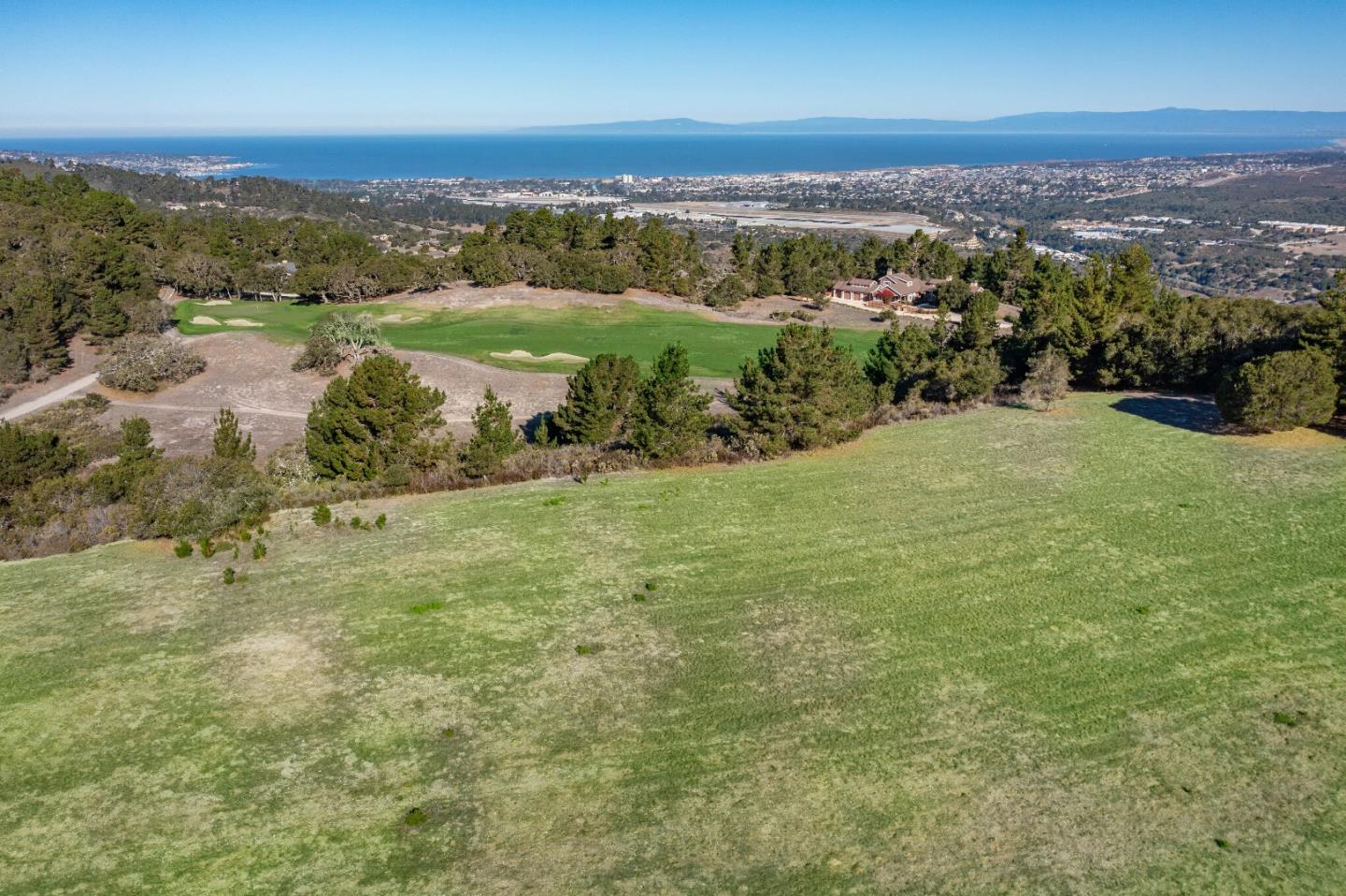
Monterey is one of the most historically significant and geographically varied communities on the Peninsula. Unlike Carmel or Pacific Grove, Monterey combines coastal neighborhoods, hillside residential areas, commercial districts, military presence, and rental housing — all within one city boundary.
Because of that diversity, Monterey’s real estate market operates differently than its neighboring towns.
Below are the questions buyers and sellers most often ask when evaluating Monterey real estate.
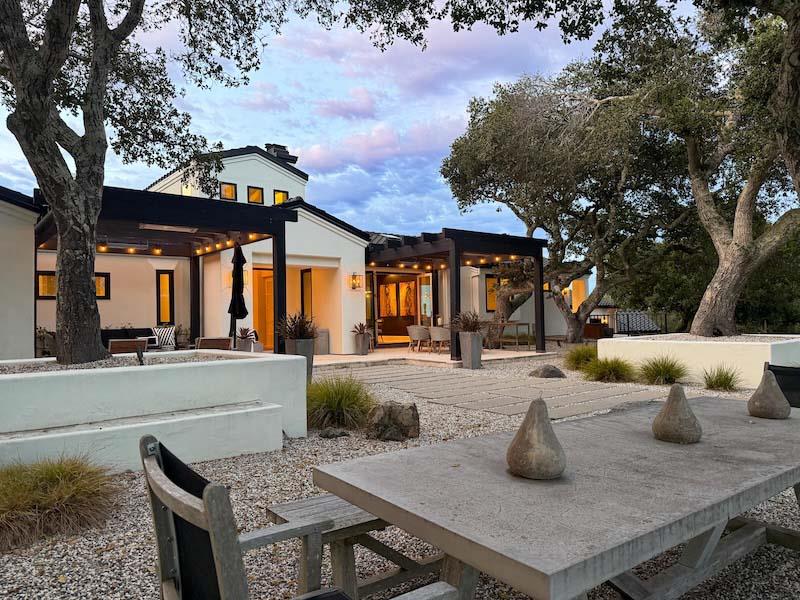
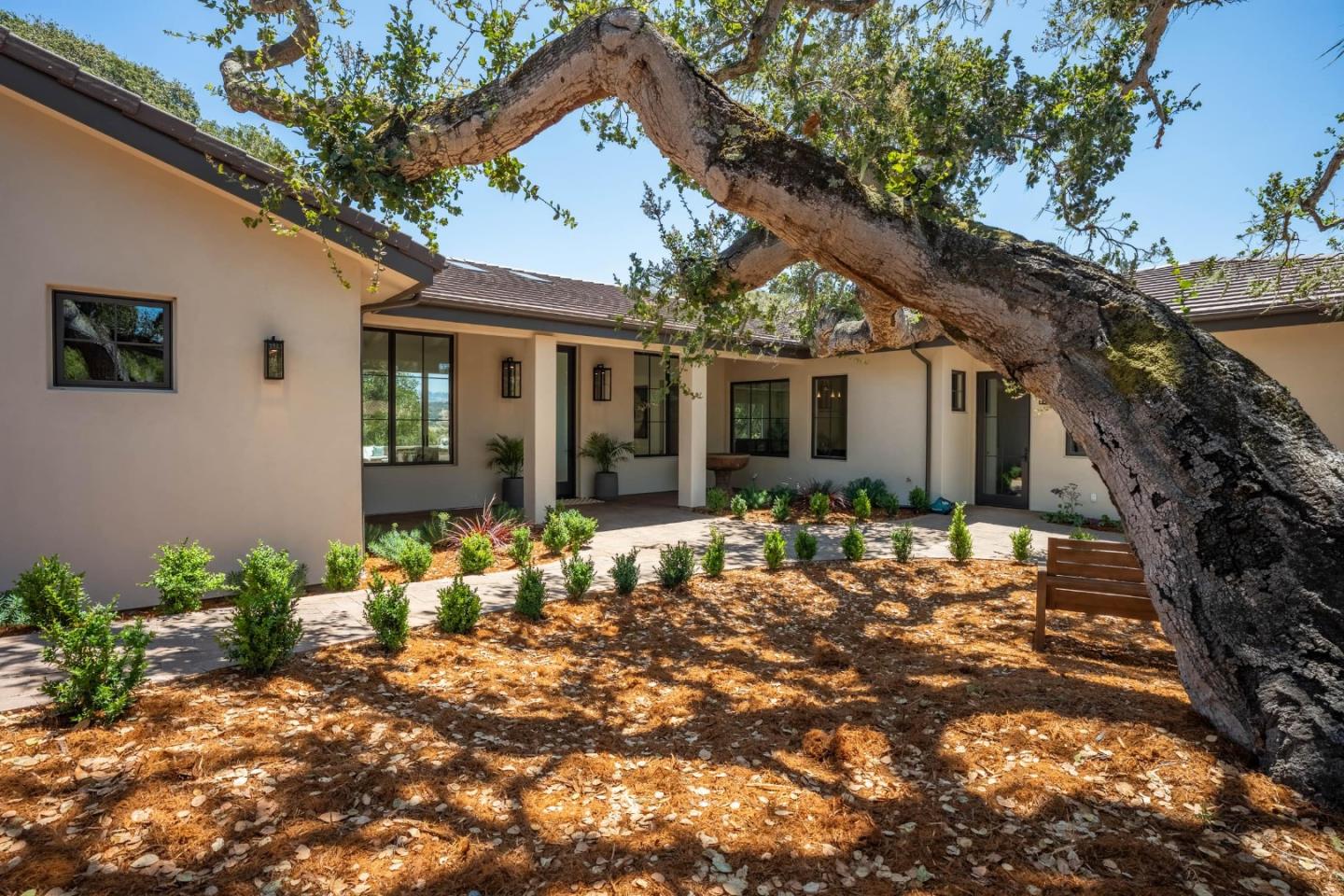
Monterey is the most economically and architecturally diverse market on the Peninsula.
Within the city limits you’ll find:
Oceanfront and coastal bluff properties
Established hillside neighborhoods
Condominium communities
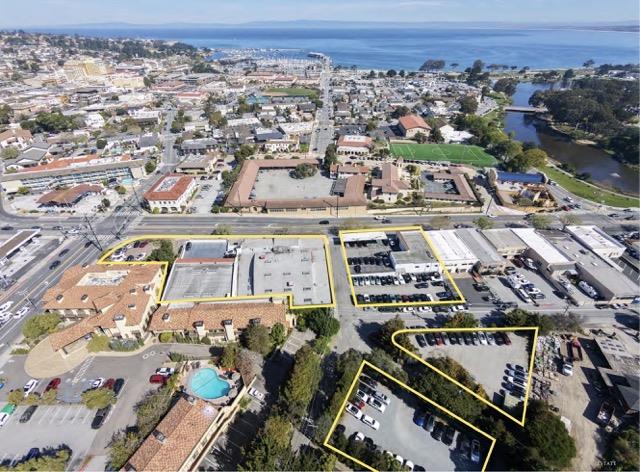
Duplexes and income-producing properties
Homes near the Presidio and Naval Postgraduate School
That diversity creates a broader range of price points and property types compared to neighboring markets.
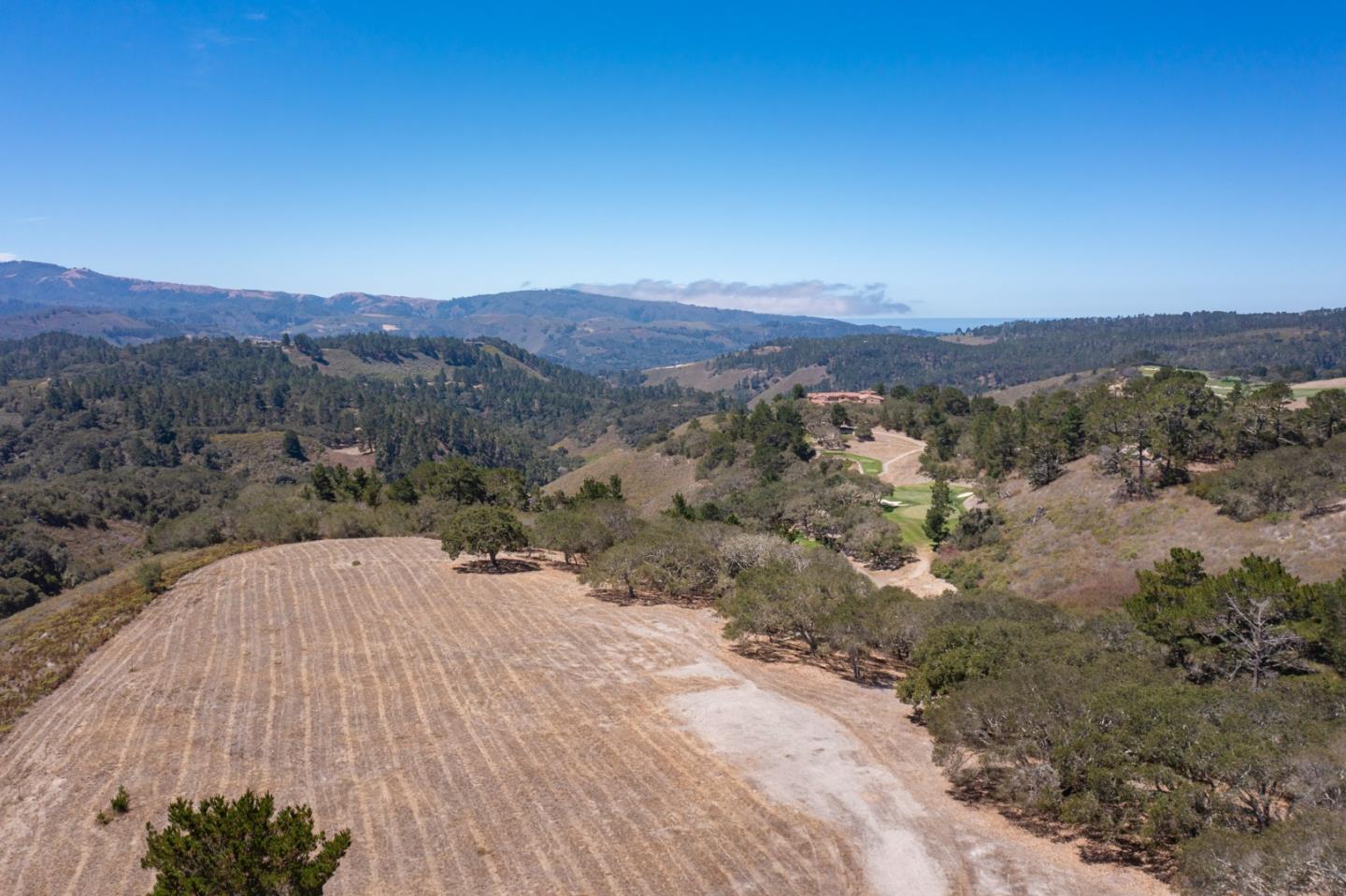
Monterey is less supply-constrained than Carmel or Pacific Grove, but it is still geographically limited by the coastline and surrounding hills, which helps anchor long-term value.
Yes.
Monterey supports:
Year-round residents
Military personnel and faculty
Local professionals
Long-term rental tenants
Second-home buyers (primarily near the coast)
Unlike Carmel, which leans heavily toward discretionary second-home ownership, Monterey functions as a working coastal city.
That dynamic creates more consistent transaction activity across market cycles.
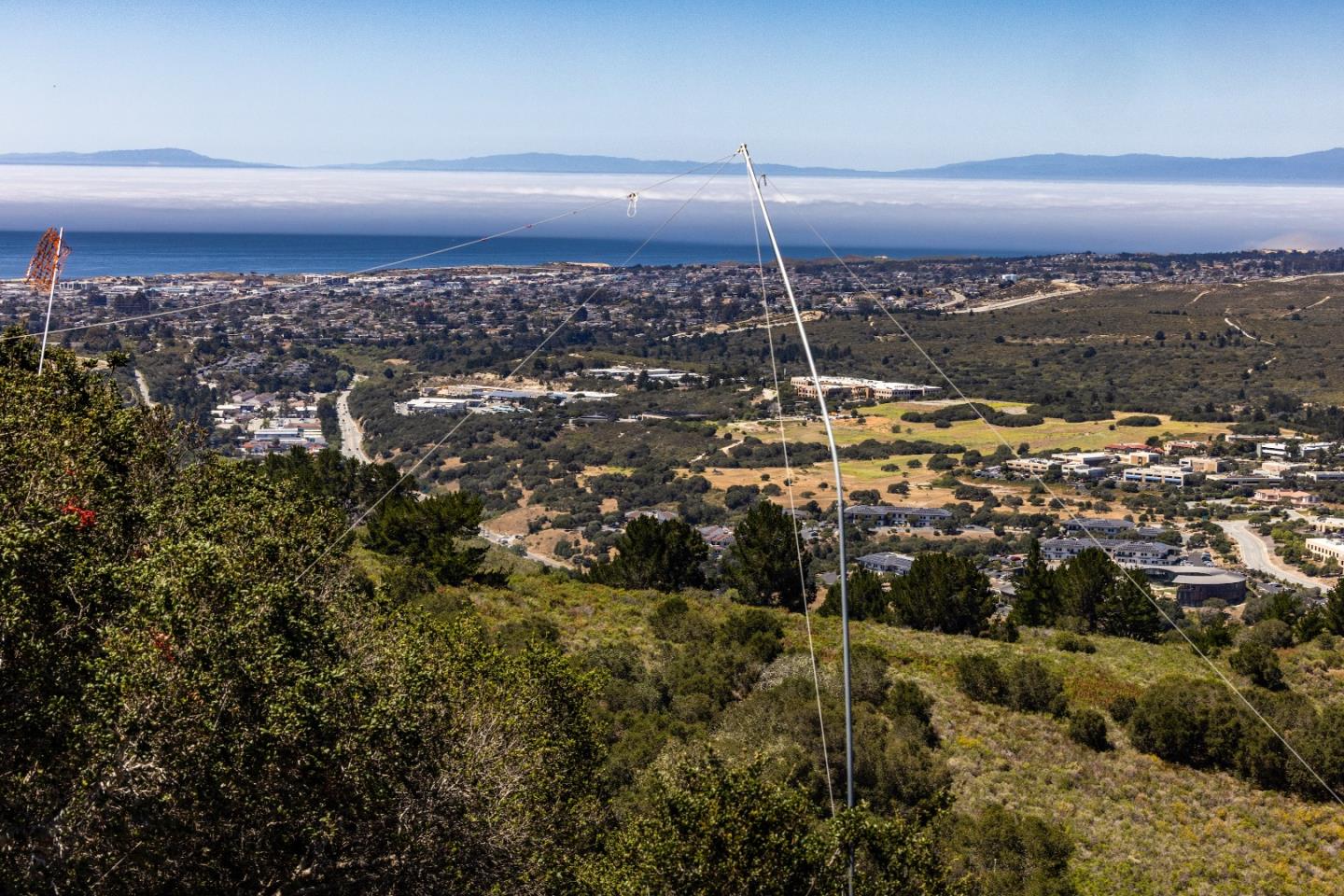
Water proximity significantly influences pricing, but Monterey offers more gradation than neighboring markets.
There are clear tiers:
Direct oceanfront or Cannery Row-adjacent properties
Bluff or bay-view hillside homes
Interior residential neighborhoods with limited or no views
Ocean views command premiums, but Monterey buyers often balance view, accessibility, and price more carefully than buyers in purely resort-driven submarkets.
Walkability to the coastal trail, downtown, or Cannery Row can meaningfully impact demand.
Each market serves a different purpose.
Carmel-by-the-Sea emphasizes architectural charm and second-home ownership.
Pacific Grove centers on community identity and primarily residential neighborhoods.
Monterey offers broader housing variety and economic diversity.
Monterey tends to provide:
More condominium inventory
Greater rental flexibility
More varied lot sizes
Wider price range
It is neither positioned above nor below its neighbors — it simply offers more housing diversity within one municipality.
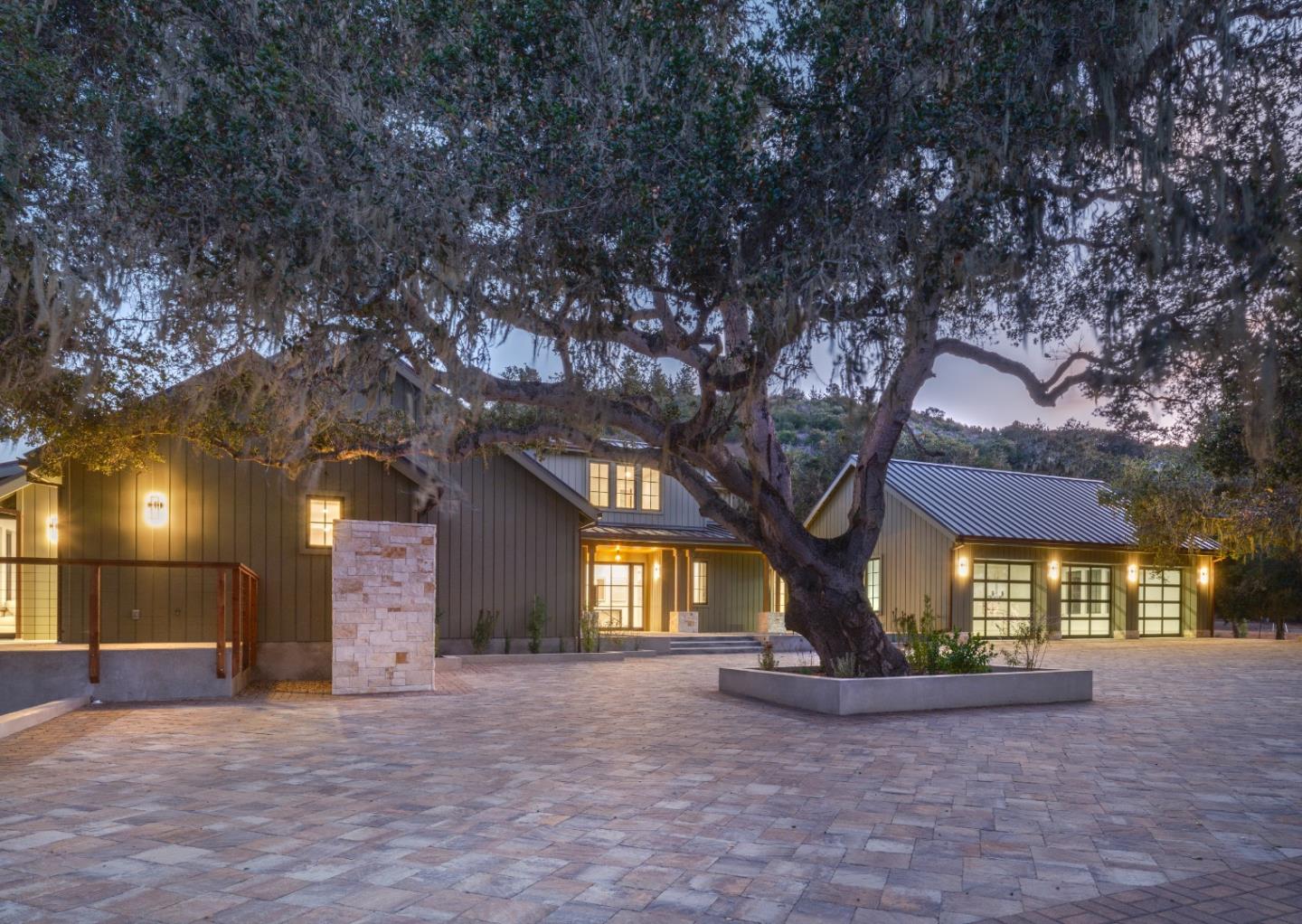
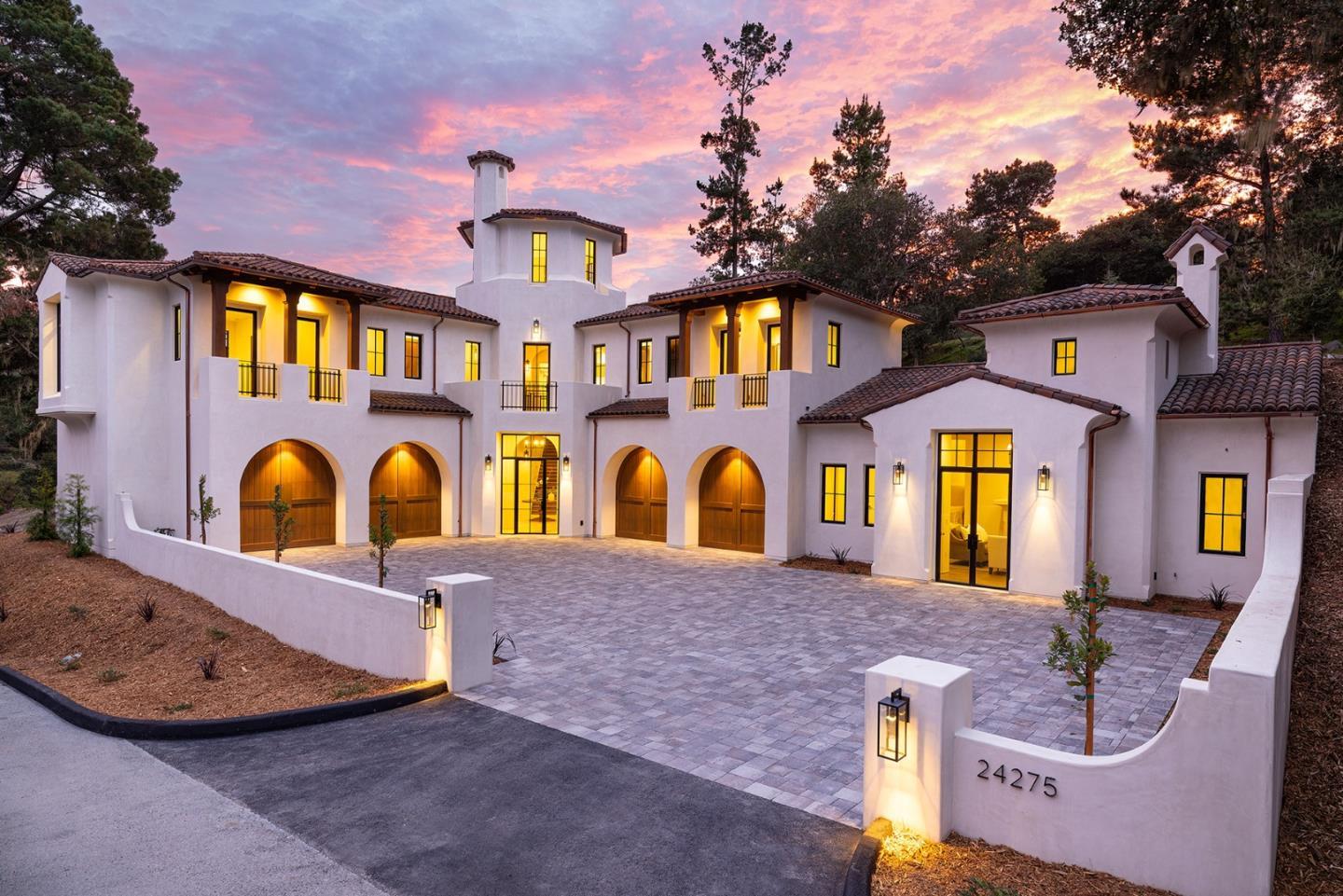
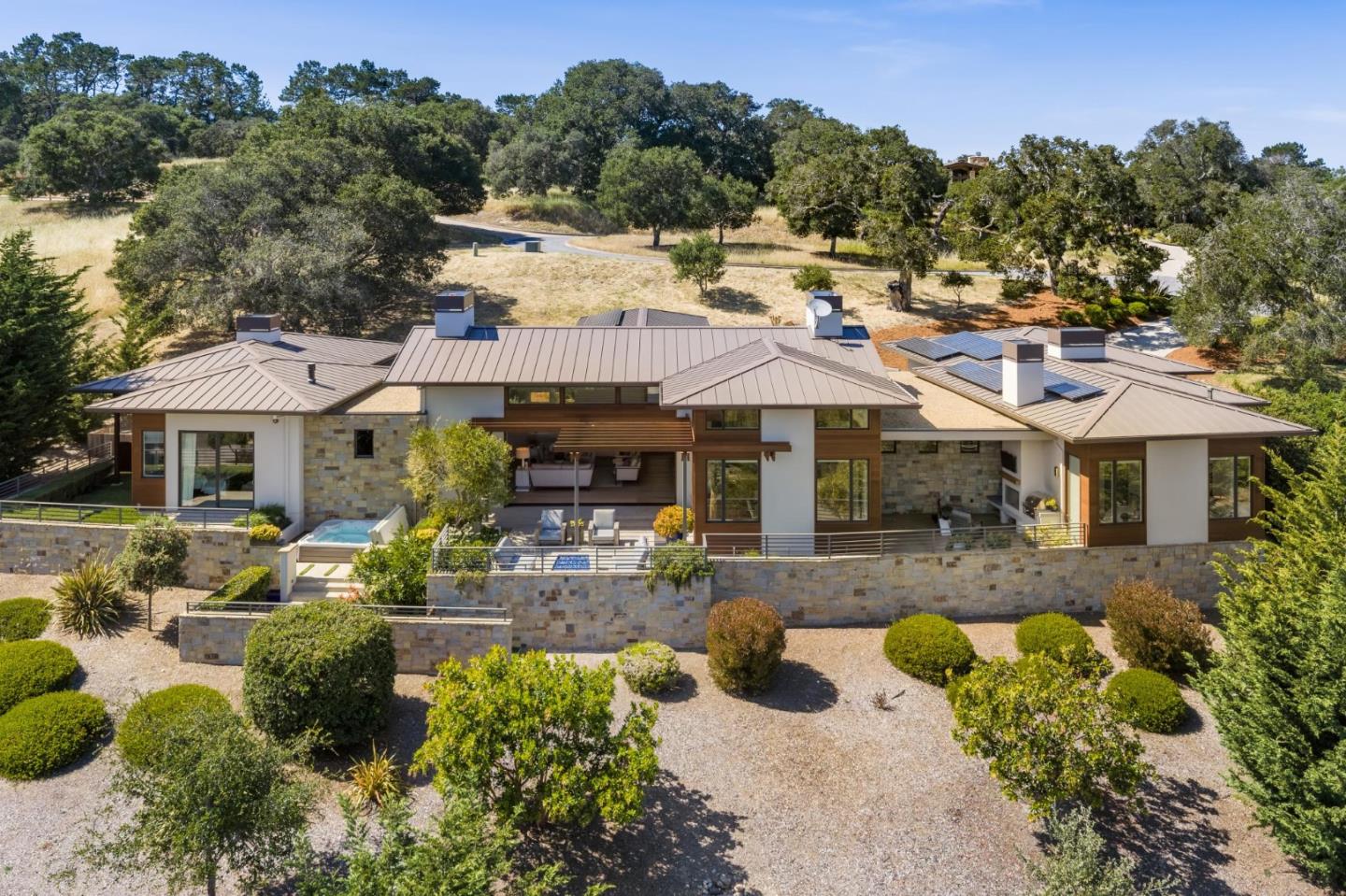
Monterey includes luxury segments — particularly along the coastline and in select hillside neighborhoods — but it also includes mid-range and entry-level housing.
Luxury in Monterey is often defined by:
Ocean frontage
Elevated bay views
Proximity to the coastal trail
Architectural distinctiveness
At the same time, Monterey remains one of the few Peninsula markets where buyers may find condominiums and smaller homes at comparatively accessible entry points.
Rental demand is an important part of the Monterey market.
Contributing factors include:
Naval Postgraduate School
Defense Language Institute
Tourism-related employment
Healthcare and hospitality sectors
Because of this, Monterey supports more long-term rental activity than Carmel or Pacific Grove.
Short-term rental regulations vary by zoning and should always be verified before purchase.
For investors, Monterey typically offers more opportunity for income property than neighboring Peninsula towns.
Monterey has:
Coastal zone overlays in certain areas
Historic districts
Hillside development considerations
Height and lot coverage limits
While the regulatory process may be more flexible than Carmel’s Coastal Commission oversight, buyers should still evaluate permitting timelines and zoning constraints early in escrow if modifications are planned.
Hillside lots, in particular, may involve engineering considerations.
Because Monterey includes both primary residences and income properties, its market behavior can differ from second-home-driven towns.
Primary residence demand tends to provide stability.
Investor and military-related housing demand can add transactional consistency.
However, pricing sensitivity may be slightly greater in mid-range segments compared to ultra-luxury submarkets.
Micro-location, condition, and view orientation remain the strongest value drivers.
Yes. Monterey is neighborhood-driven.
Areas often considered separately include:
New Monterey
Skyline Forest
Del Monte Beach area
Downtown and Cannery Row-adjacent neighborhoods
Upper Monterey hillside communities
Each has different density, view orientation, and buyer profile.
Understanding those distinctions is more useful than evaluating Monterey as a single uniform market.
Given the broader housing mix, positioning matters.
Sellers benefit from:
Pricing in line with neighborhood-specific comparables
Addressing deferred maintenance, especially in coastal-exposed areas
Understanding buyer type (owner-occupant vs investor)
Presenting view corridors clearly when applicable
In Monterey, accurate segmentation — knowing who the likely buyer is — often determines outcome.
Monterey is the Peninsula’s most varied housing market.
It balances coastal appeal with year-round economic activity. It supports both owner-occupants and investors. It offers luxury properties and more accessible entry points within the same city limits.
Because of that diversity, Monterey tends to exhibit steady, layered demand rather than purely discretionary purchasing cycles.
For buyers and sellers, understanding neighborhood distinctions and buyer profile is more important than broad city-wide averages.

Compass
6th Ave between Dolores St and San Carlos
Carmel-by-the-Sea, CA 93921
CA DRE# 02127946
The Weathers Gannaway Group