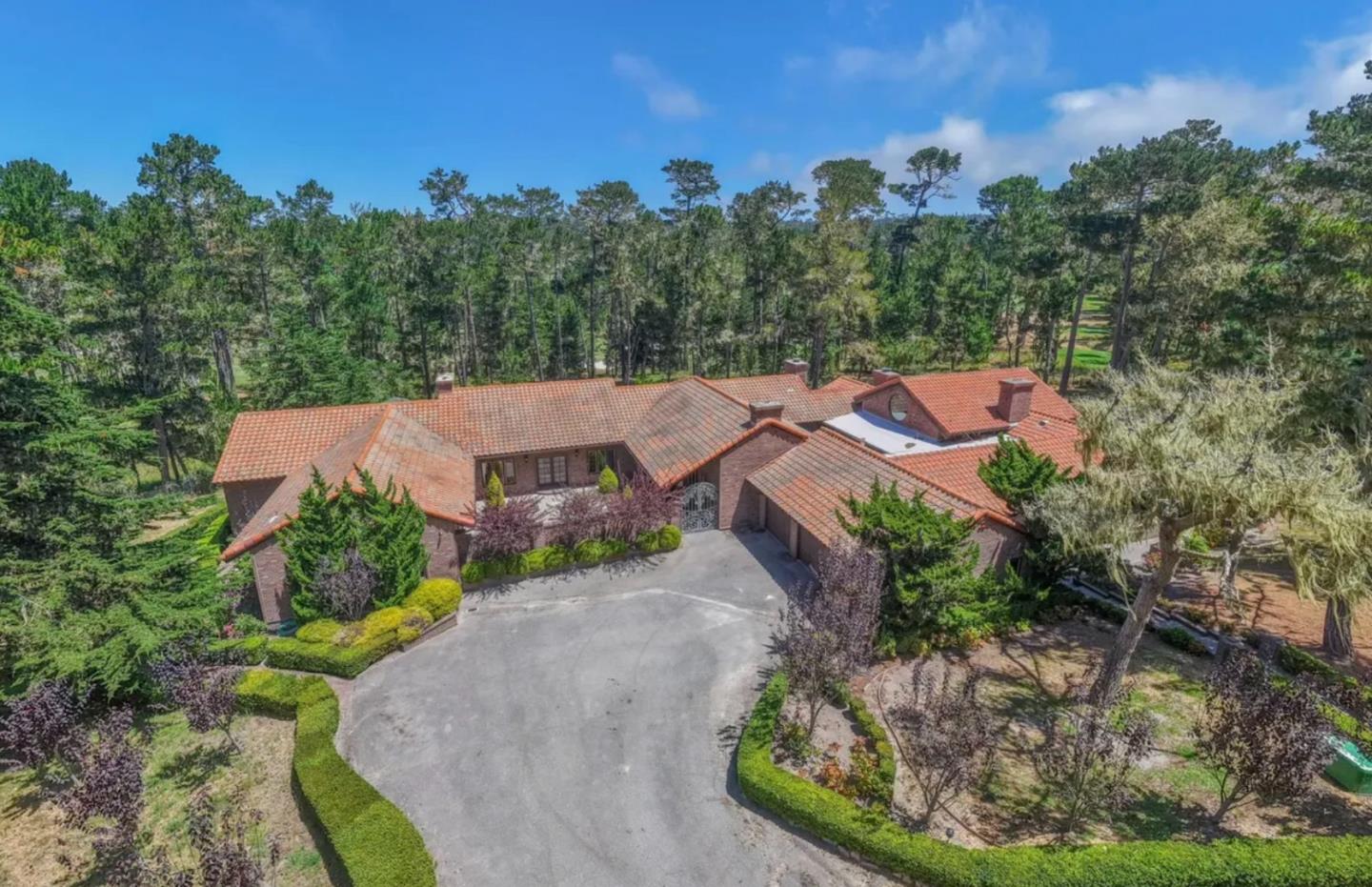
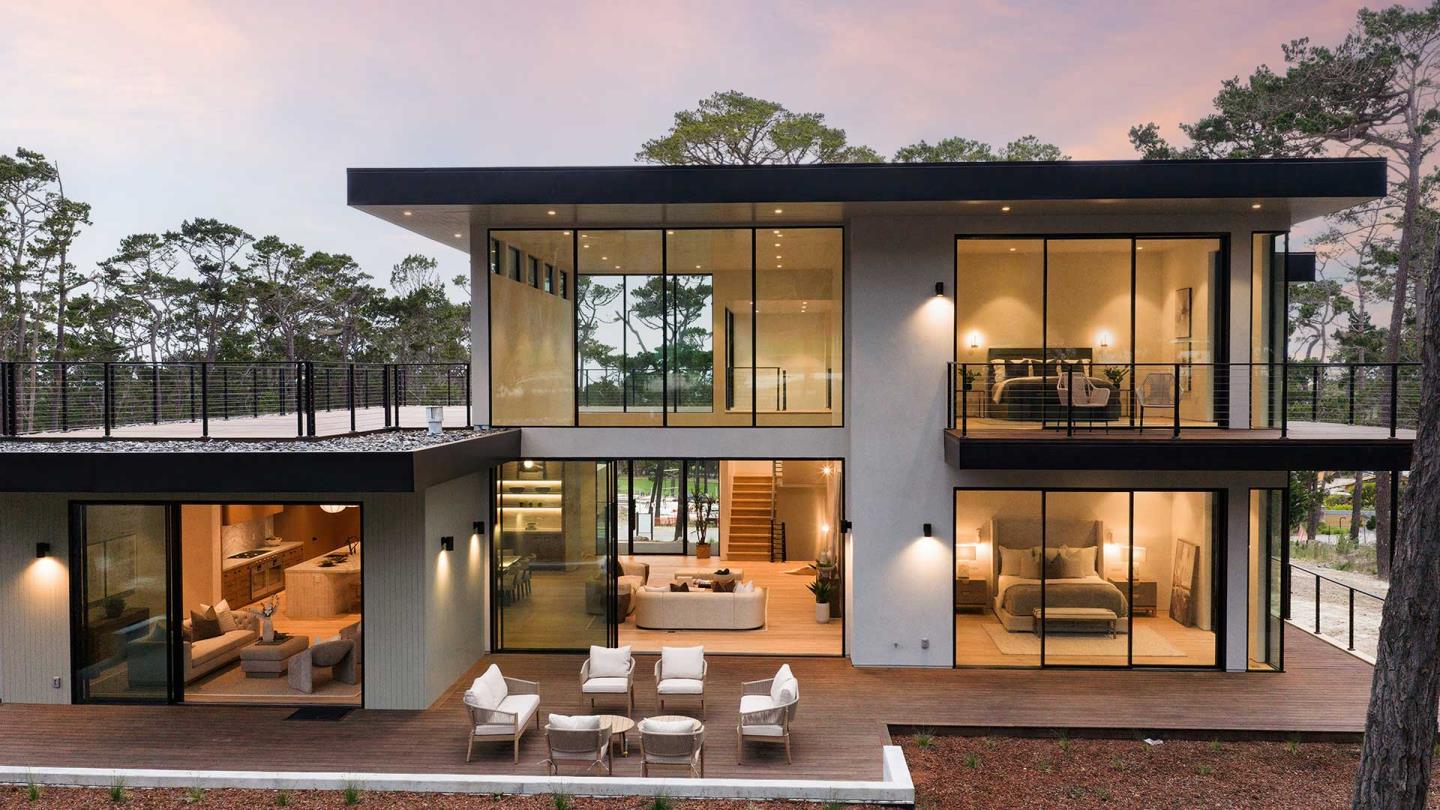
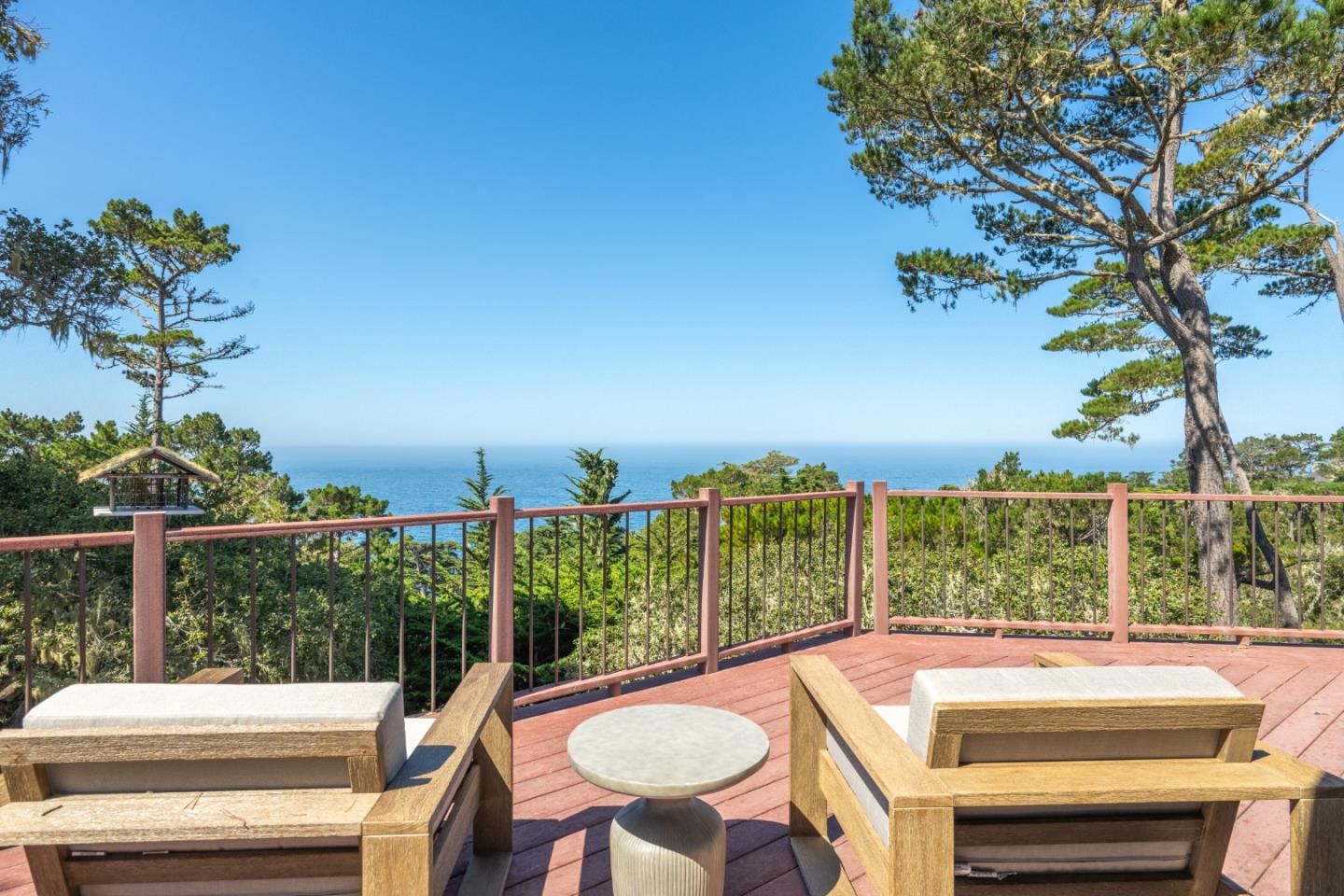
Pebble Beach is one of the most recognized coastal residential communities in the United States. Known for its gated privacy, golf courses, and dramatic oceanfront properties, it functions differently from surrounding Peninsula towns.
Unlike incorporated cities such as Monterey or Pacific Grove, Pebble Beach is an unincorporated community governed largely by the Pebble Beach Company and Monterey County planning oversight.
Below are the most common questions buyers and sellers ask when evaluating Pebble Beach real estate.
Pebble Beach is a privacy-driven, land-oriented luxury market with globally recognized brand identity.
It is defined by:
Gated entrances
Large parcels relative to neighboring towns
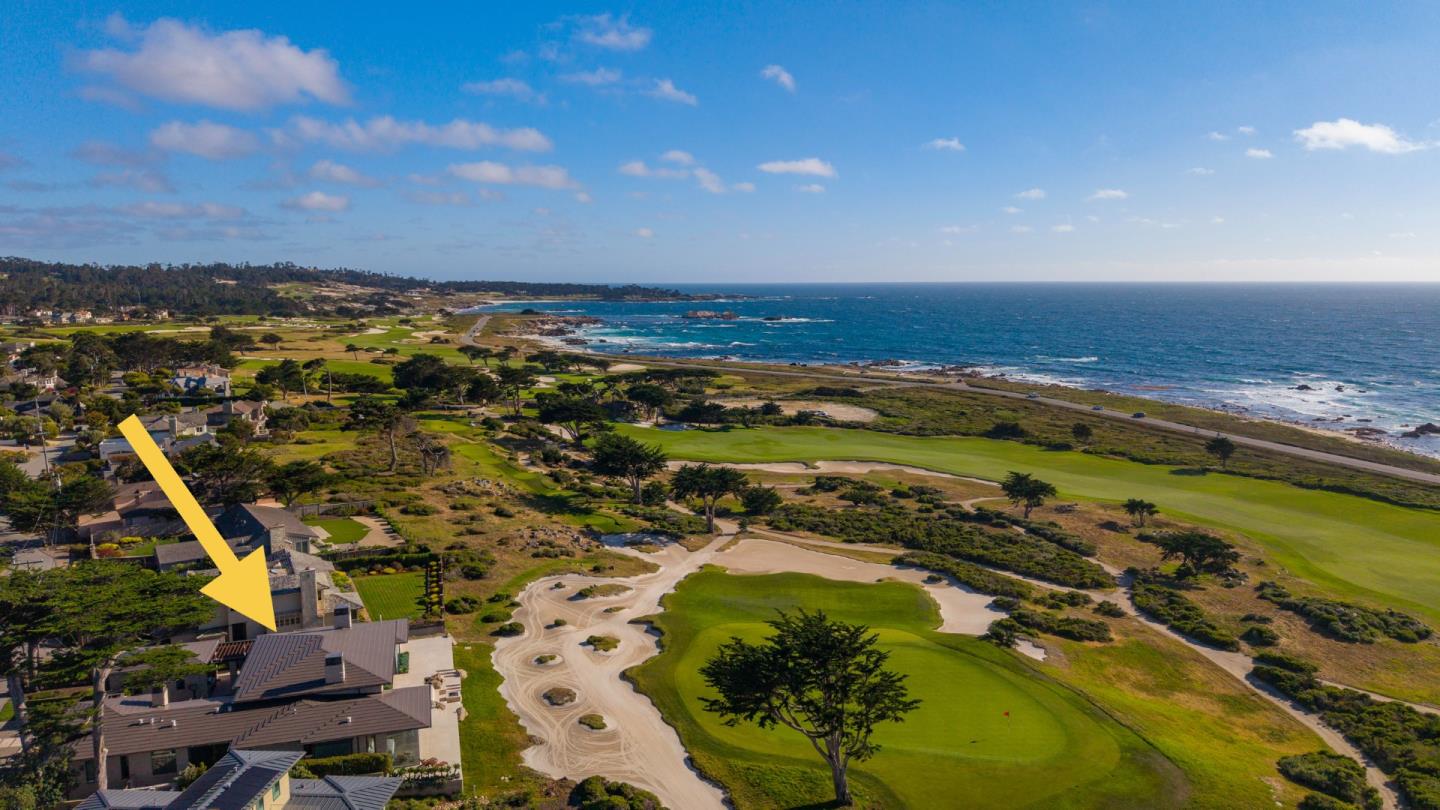
Golf course frontage
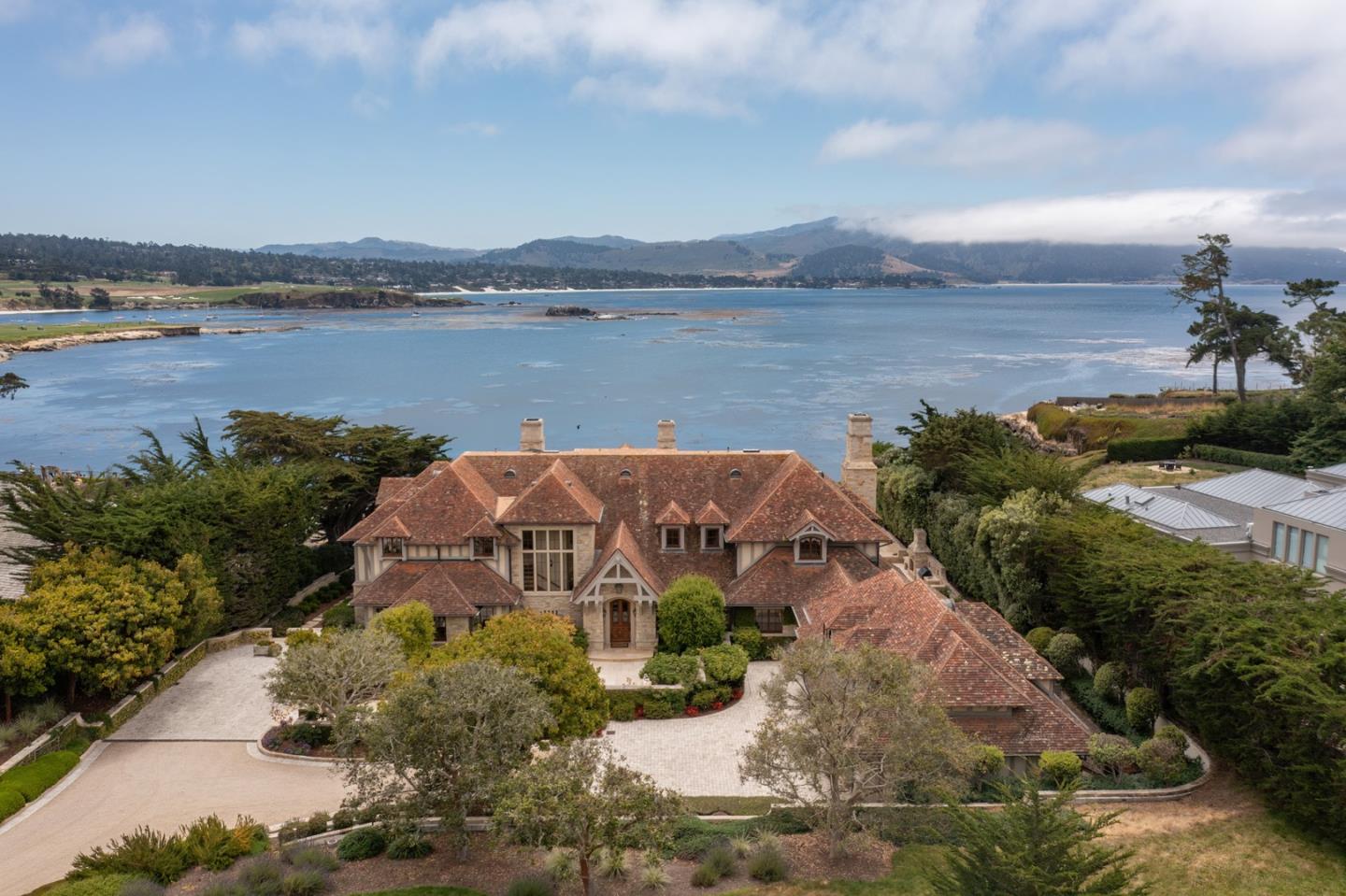
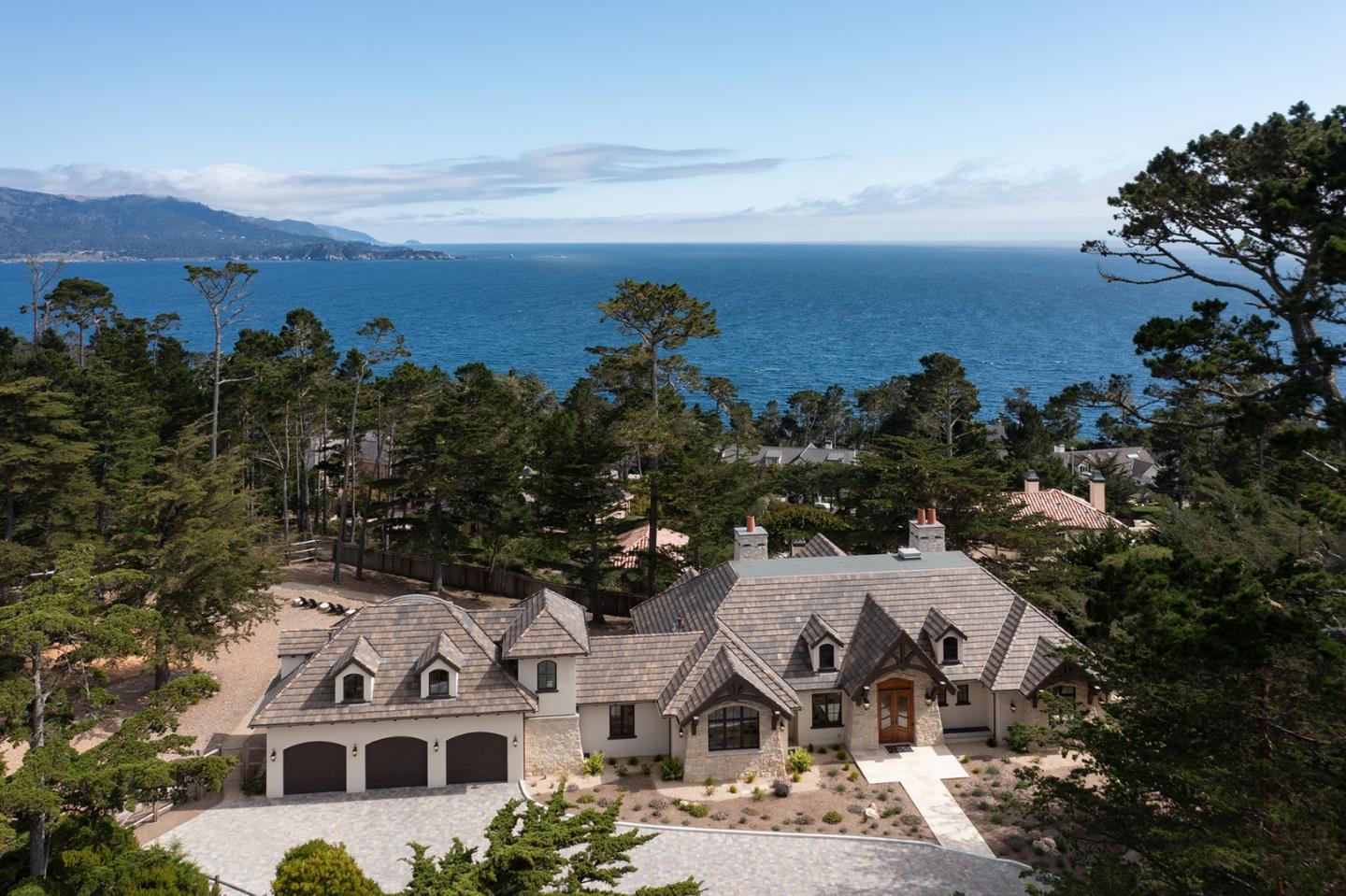
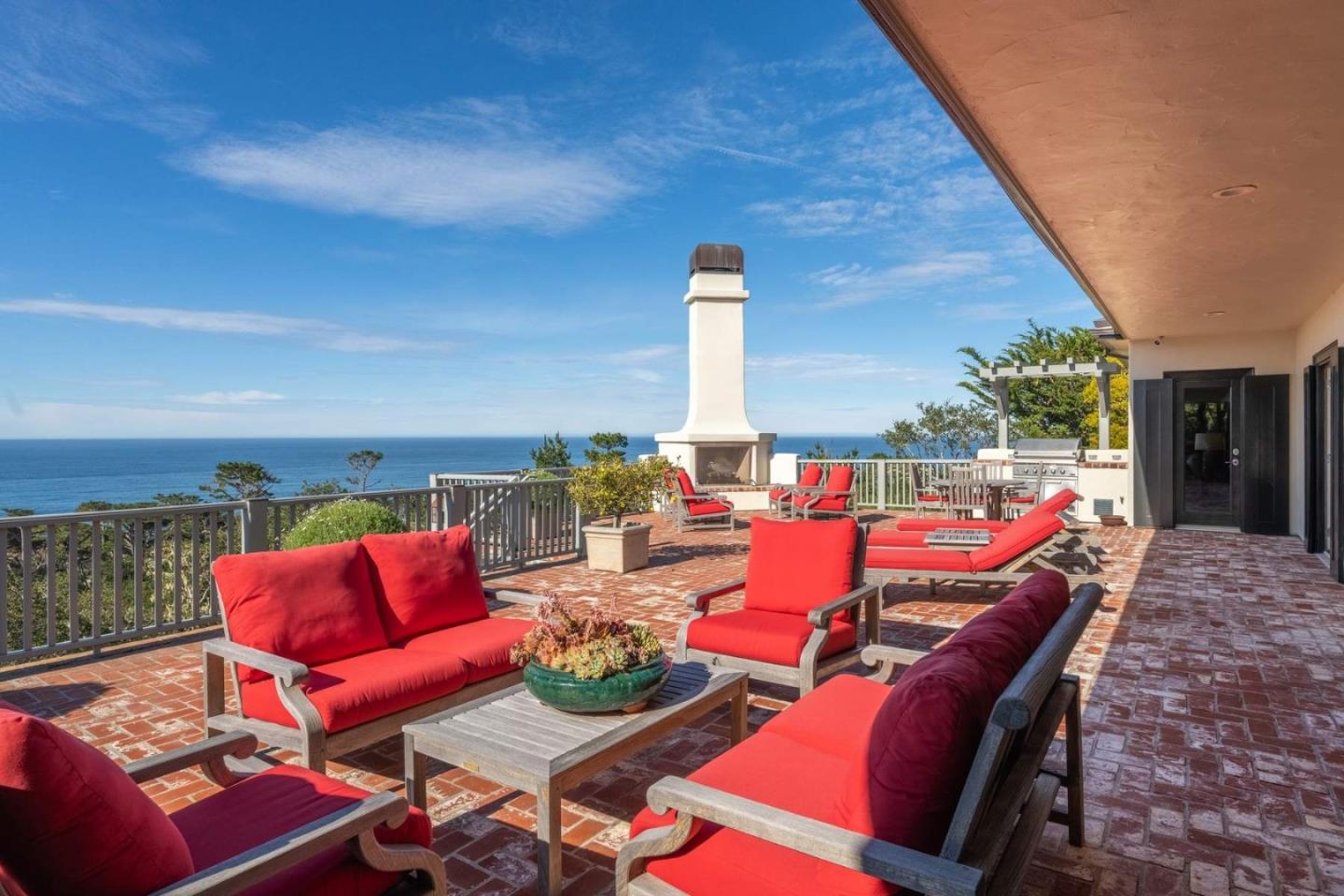
Oceanfront and coastal bluff properties
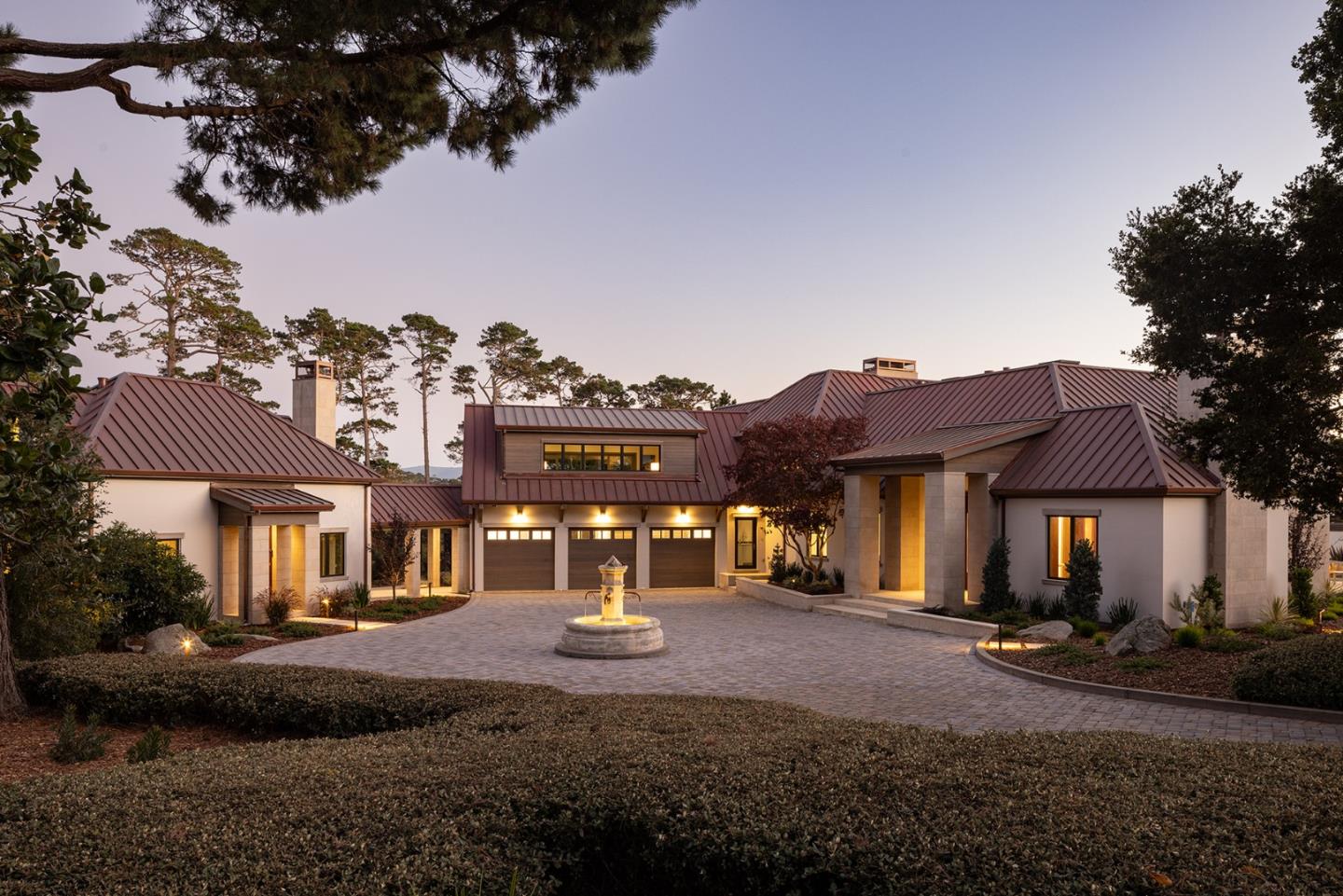
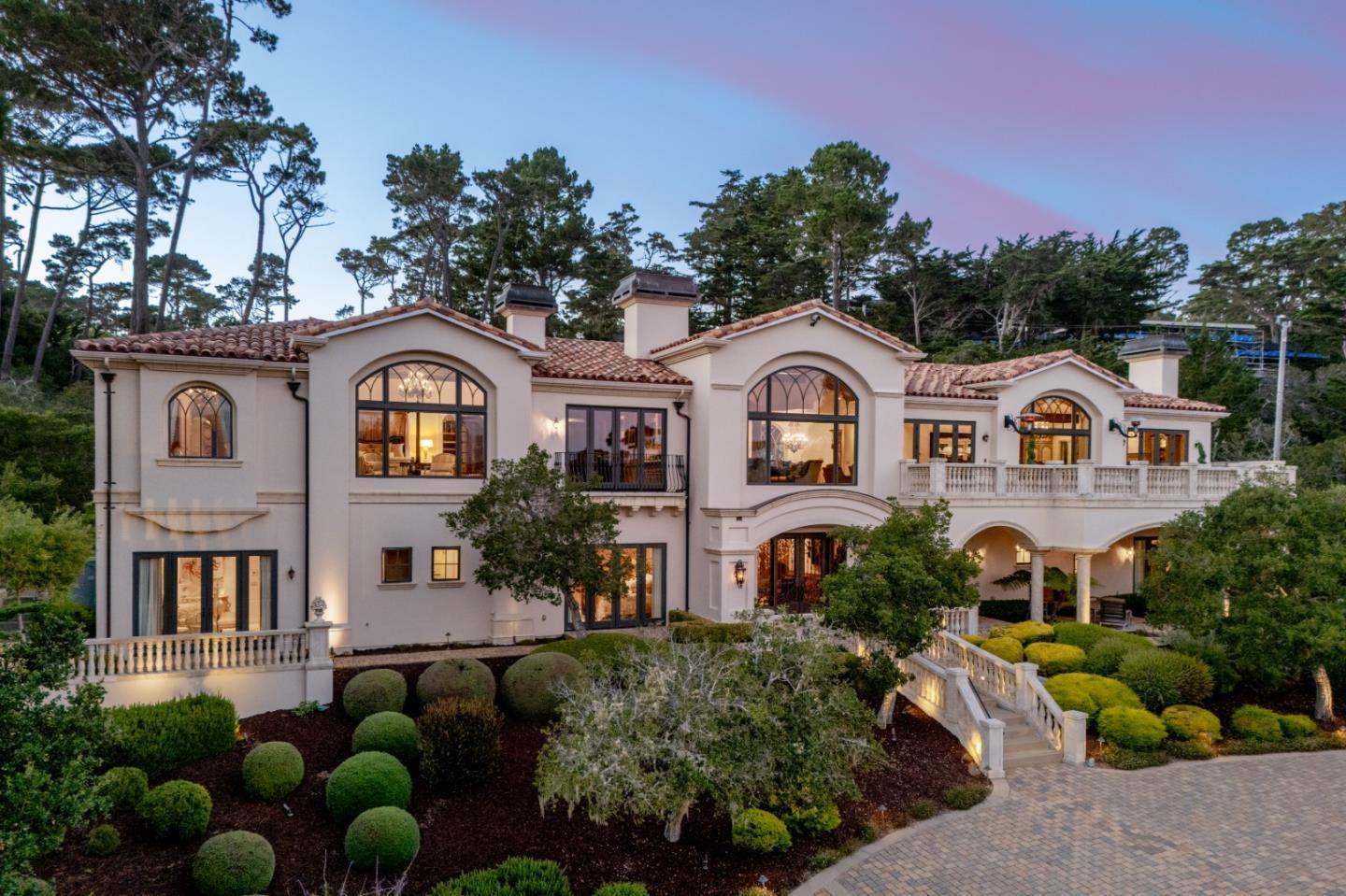
Estate-scale homes
Inventory is typically limited, and many properties are held for long periods. Because the community is geographically constrained by coastline and forested land, new development opportunities are minimal.
The market is highly property-specific. Two homes with similar square footage can vary significantly in value depending on lot positioning, view corridors, and proximity to golf or coastline.
A meaningful portion of ownership is discretionary or second-home driven, though there are also full-time residents.
Buyer profiles often include:
Bay Area and Southern California executives
Out-of-state buyers
International purchasers
Golf-oriented buyers
Long-term legacy owners
Because a significant segment of demand is discretionary, transaction volume can fluctuate with broader economic conditions. However, prime properties — particularly oceanfront or golf-front homes — tend to attract sustained interest.
They are primary value drivers.
Oceanfront properties along 17-Mile Drive and surrounding coastal corridors represent some of the Peninsula’s most prestigious offerings.
Similarly, direct frontage on Pebble Beach Golf Links or other courses within the community can materially influence pricing.
However, not all frontage carries equal weight. Value varies based on:
View orientation
Privacy from cart paths or roads
Elevation and setback
Architectural integration with surroundings
Premium positioning is highly specific.
Pebble Beach is not a traditional municipality.
The Pebble Beach Company manages:
Gated access
Road maintenance within the community
Design review processes
Architectural guidelines in certain areas
Monterey County provides governmental oversight for planning and permitting.
Buyers should understand that architectural review processes and community guidelines can influence remodeling or new construction plans.
This governance structure contributes to consistency of aesthetic and long-term property protection.
Pebble Beach is widely regarded as a luxury market, but there is range within it.
While oceanfront estates can command some of the highest values on the Peninsula, there are also interior forested lots and homes that trade at comparatively lower price tiers within the community.
Luxury in Pebble Beach is typically defined by:
Privacy
Acreage
Architectural scale
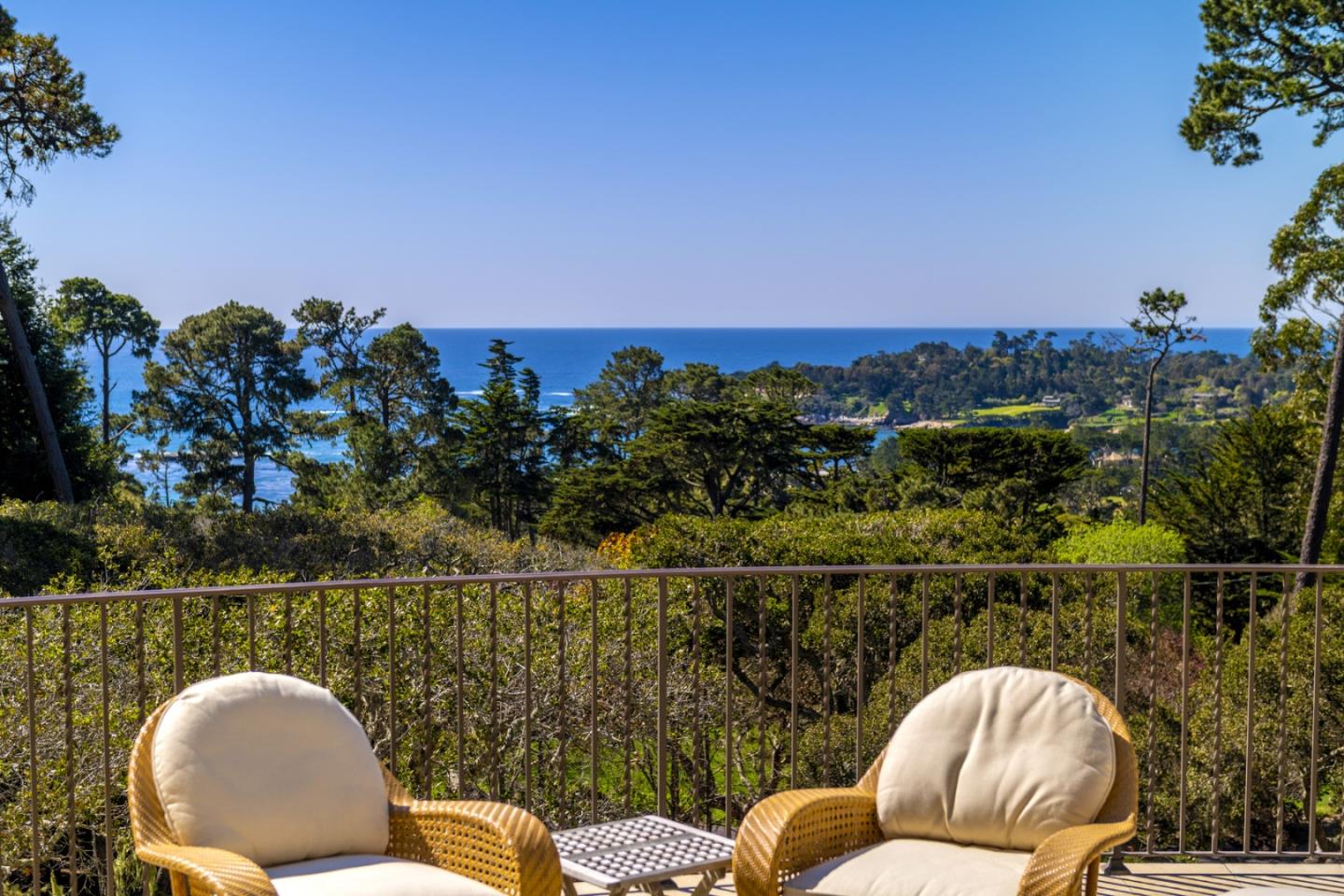
View corridors
Proximity to golf or coastline
It is less walkability-driven than Carmel-by-the-Sea and less community-density-driven than Pacific Grove.
The distinction is primarily lifestyle-driven.
Carmel-by-the-Sea emphasizes:
Walkability
Village-scale architecture
Cottage charm
Dense coastal proximity
Pebble Beach emphasizes:
Gated privacy
Larger parcels
Estate homes
Golf and resort adjacency
Some buyers consider both before deciding whether they prioritize walkability and village atmosphere or privacy and estate-scale living.
Neither market is inherently superior — they simply serve different residential priorities.
Pebble Beach properties may be subject to:
Design review approval
Environmental considerations
Coastal zone regulations in certain areas
Height and lot coverage limitations
Tree preservation guidelines
Given the scale of many homes, renovation budgets and timelines can be substantial.
Buyers considering significant construction should conduct feasibility evaluations early, particularly if the property lies near environmentally sensitive zones.
Because a substantial portion of demand is discretionary, transaction volume can be influenced by broader economic cycles.
However, top-tier properties — particularly those with irreplaceable positioning — often maintain stronger long-term value retention.
Inventory is relatively limited, and truly prime oceanfront or golf-front parcels are finite.
Micro-location within Pebble Beach matters more than overall market headlines.
Short-term rental regulations are governed by Monterey County and community guidelines.
Buyers interested in rental use should confirm zoning, permitting requirements, and any applicable restrictions prior to closing.
Pebble Beach is primarily positioned as a residential ownership community rather than a high-density short-term rental market.
Presentation and positioning are critical.
Sellers benefit from:
Professional photography that captures lot orientation and views
Clear documentation of architectural approvals or permits
Accurate pricing relative to recent comparable luxury transactions
Transparency regarding HOA or design review considerations
Because buyers are often sophisticated and well-advised, clarity and preparation matter.
Pebble Beach is defined by privacy, scale, and global recognition.
Its gated structure, limited development capacity, and internationally known golf amenities create a market that is both insulated and highly property-specific.
Value is driven by irreplaceable positioning — ocean frontage, golf frontage, view corridors, and privacy.
For buyers and sellers, evaluating micro-location and long-term land characteristics is more important than focusing solely on square footage or short-term market cycles.

Compass
6th Ave between Dolores St and San Carlos
Carmel-by-the-Sea, CA 93921
CA DRE# 02127946
The Weathers Gannaway Group