Welcome To
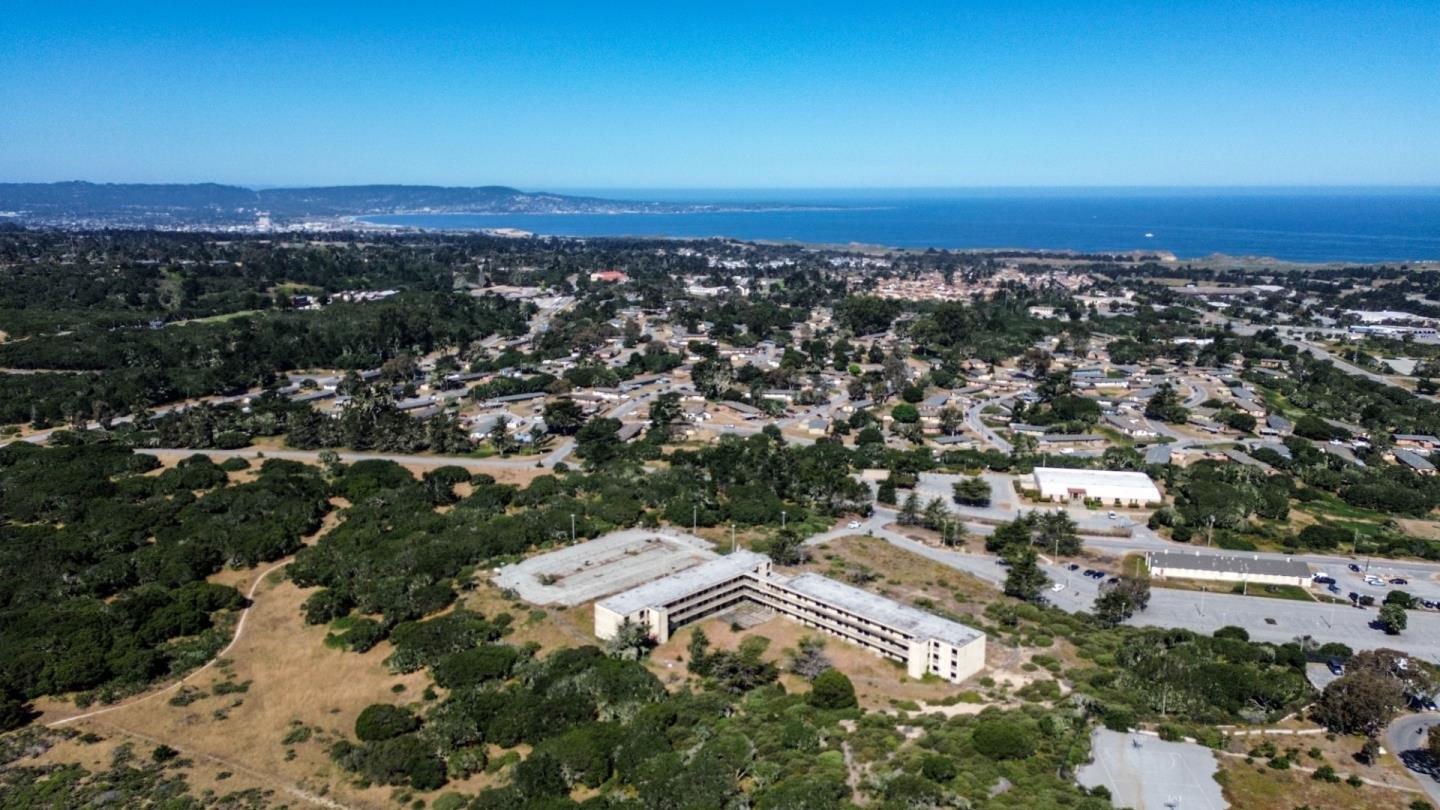
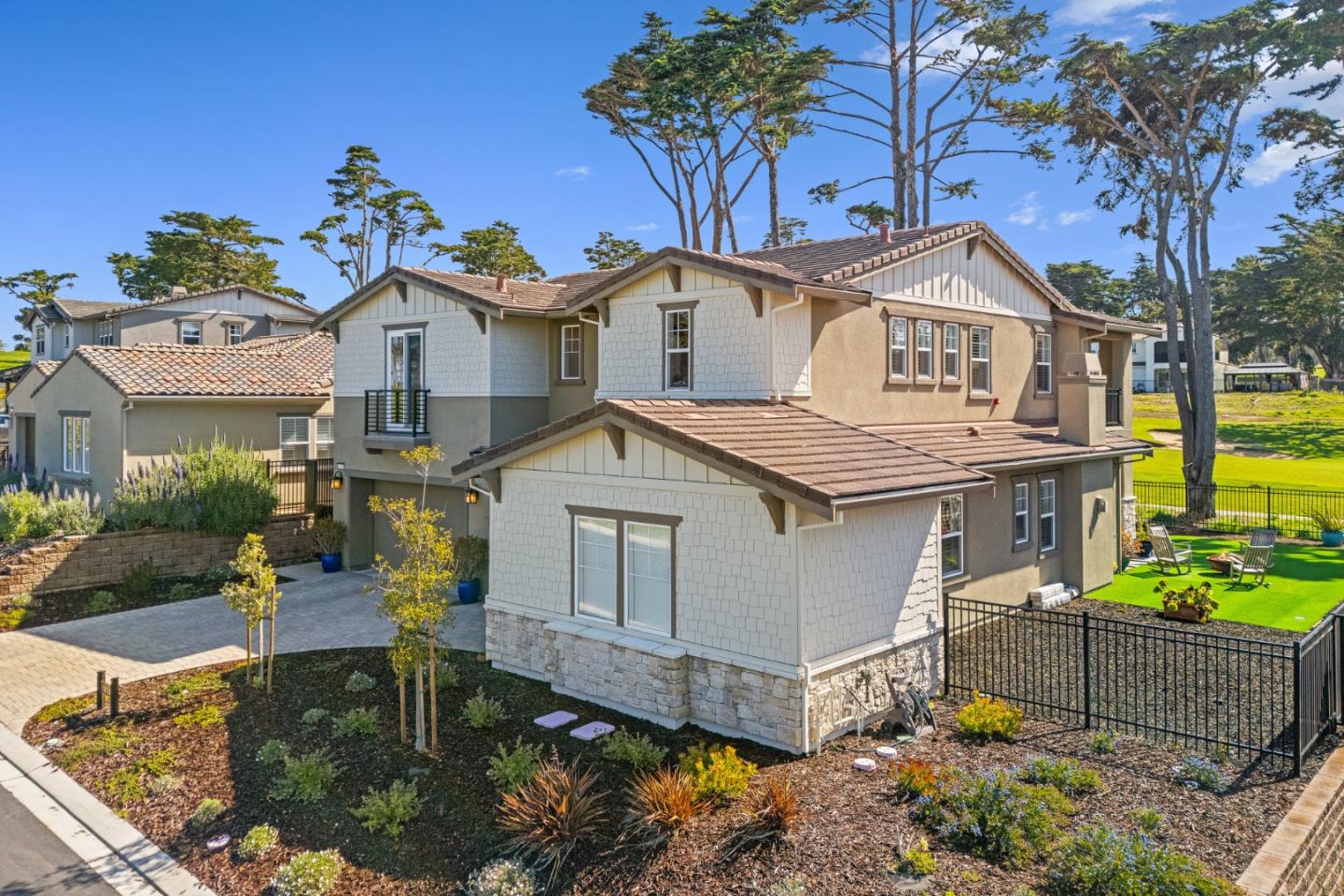
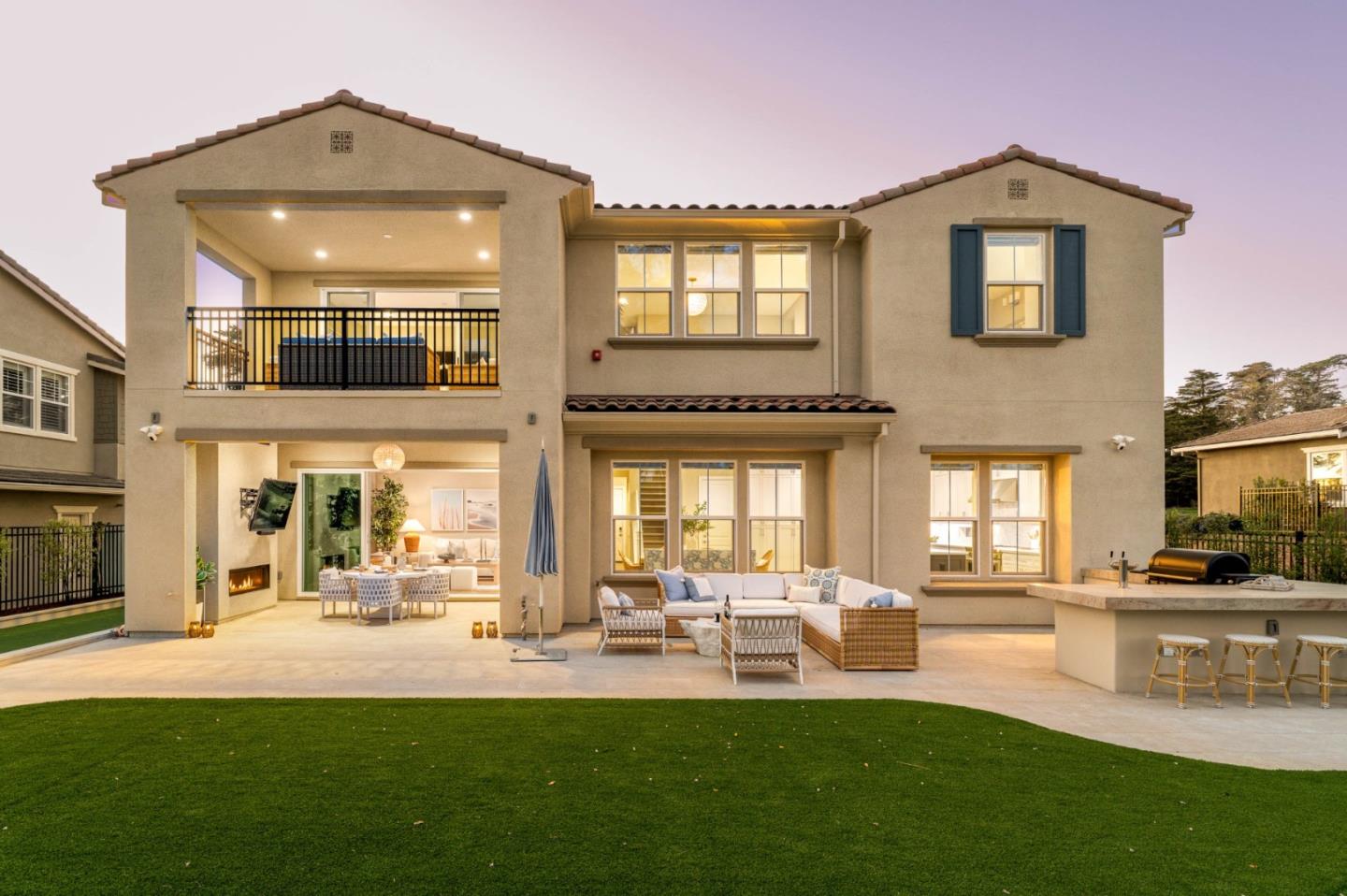
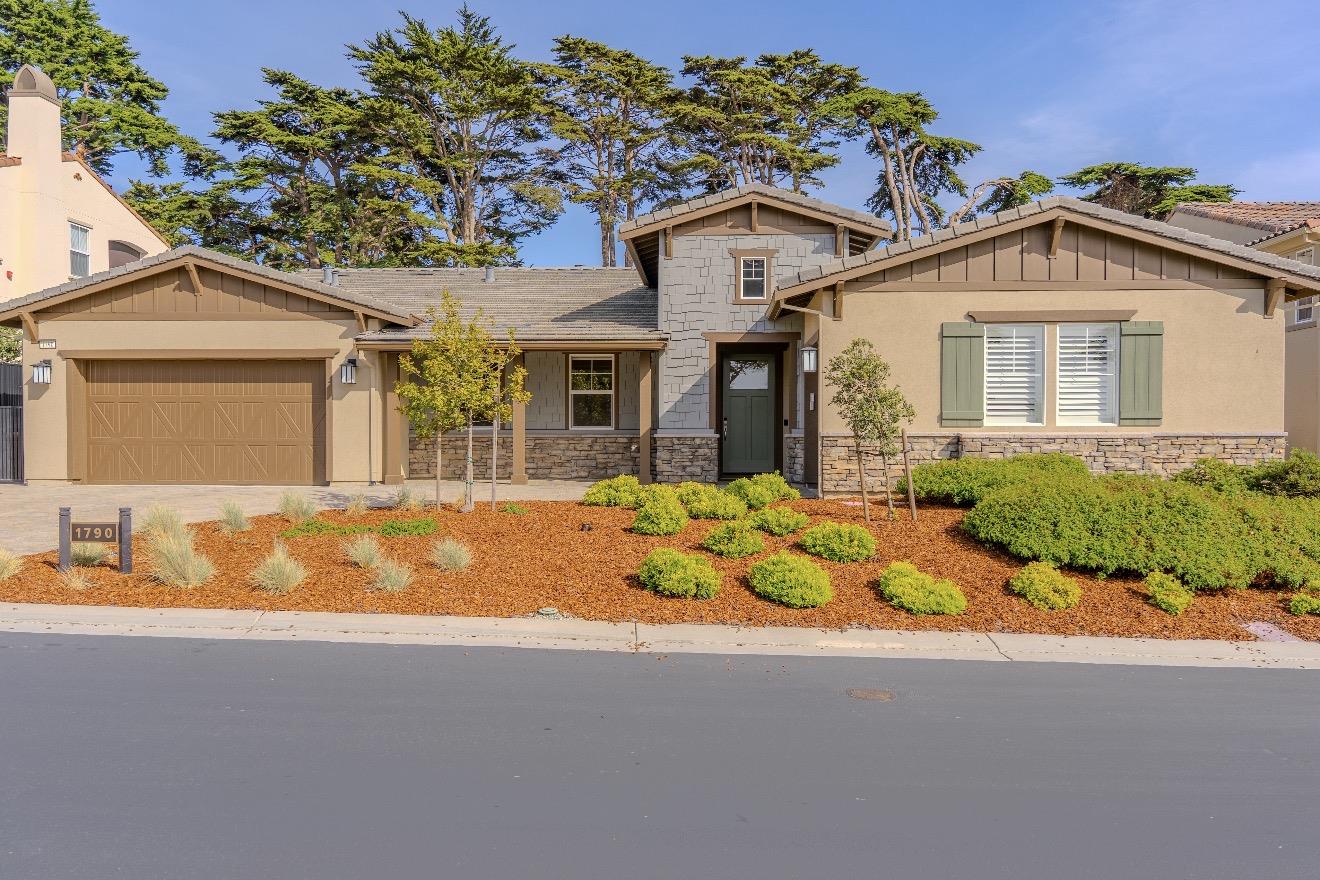
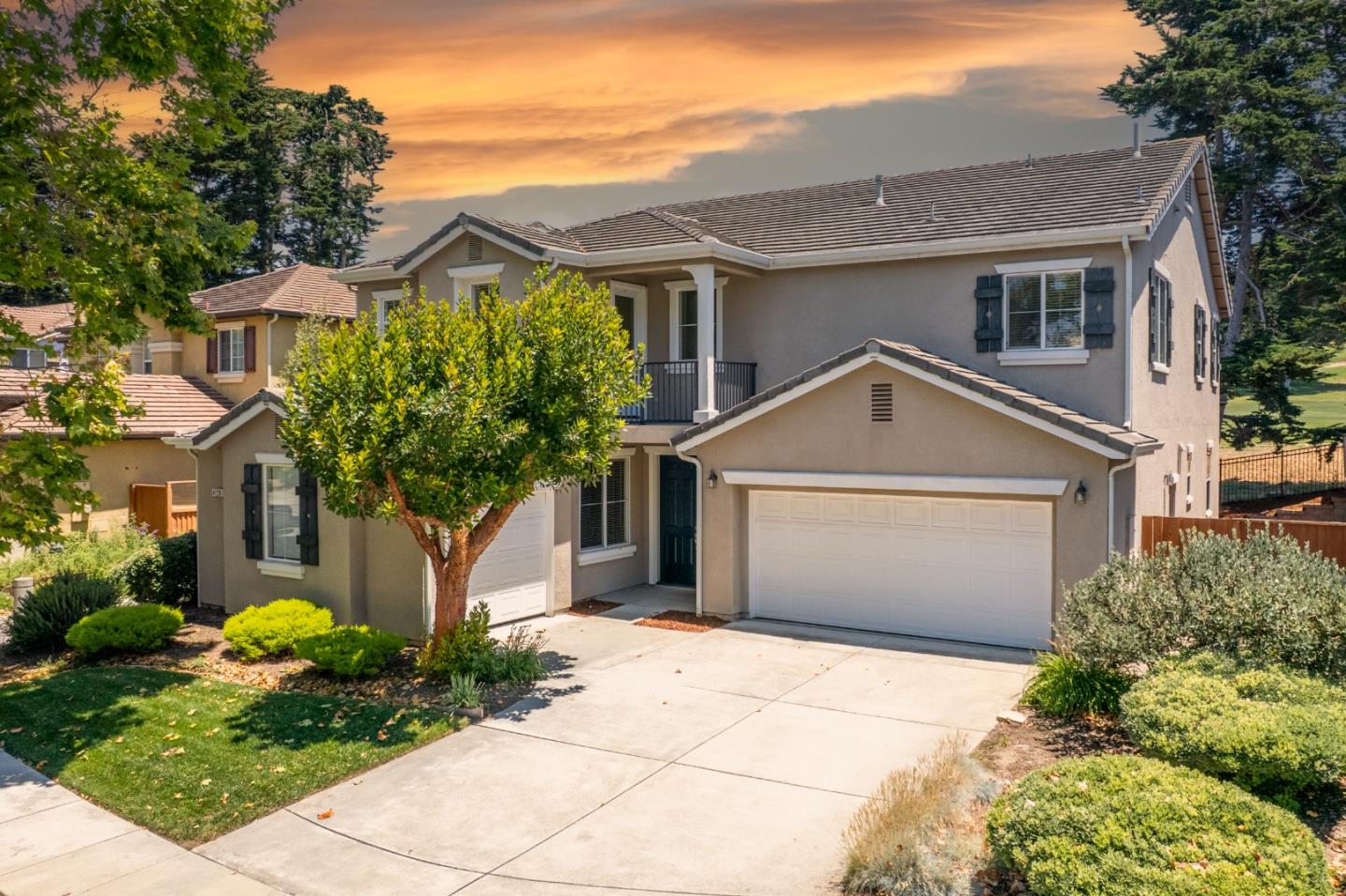
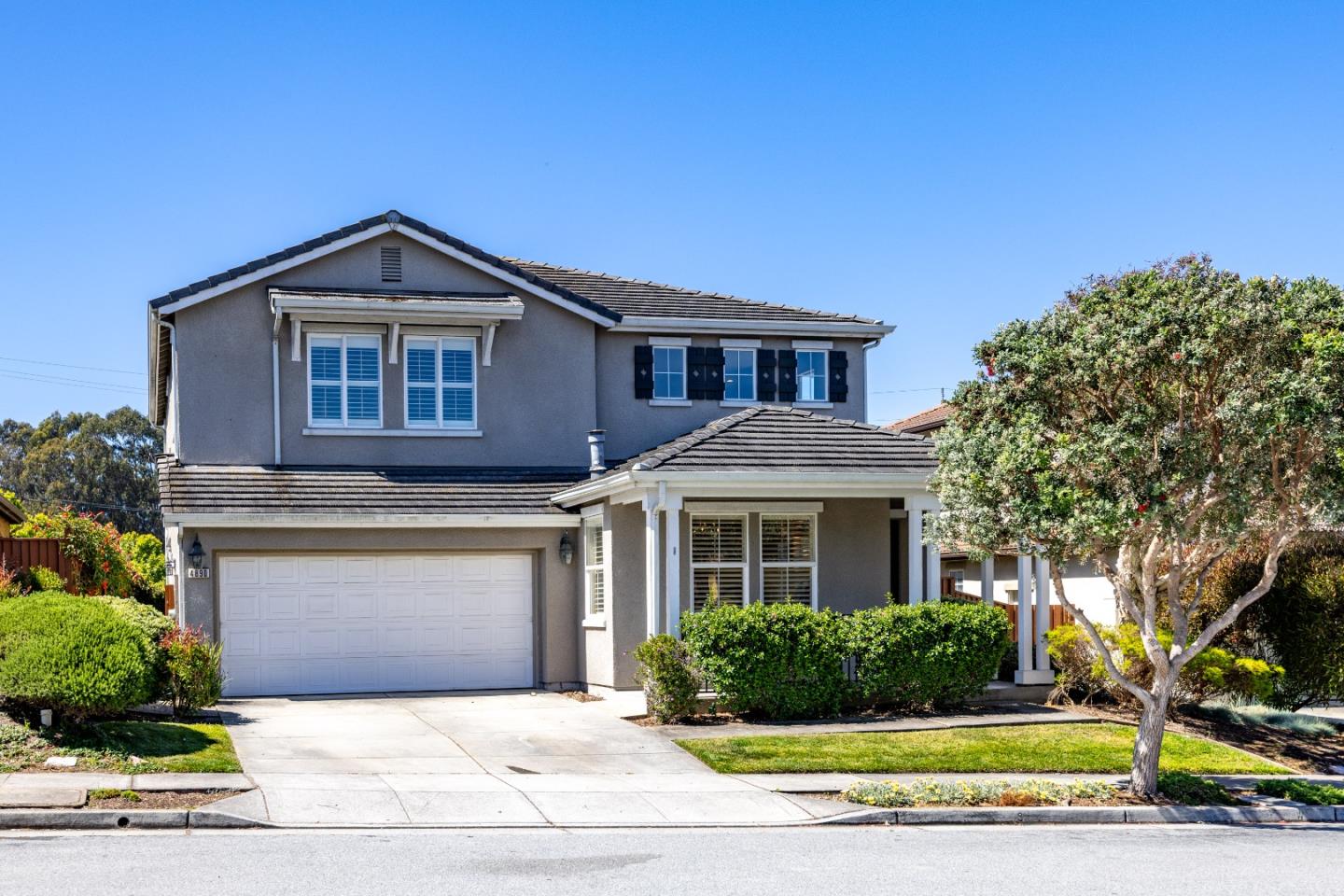
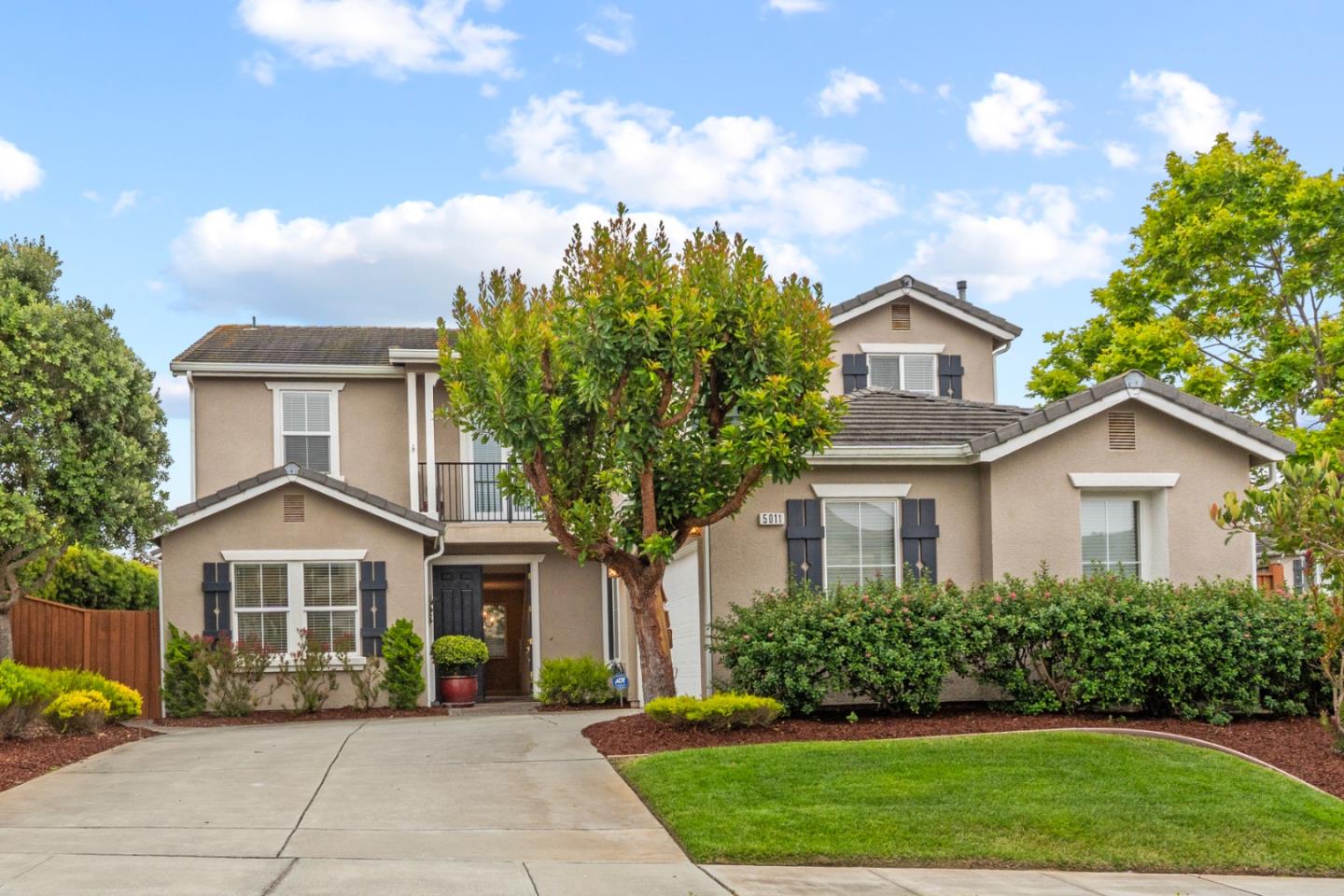
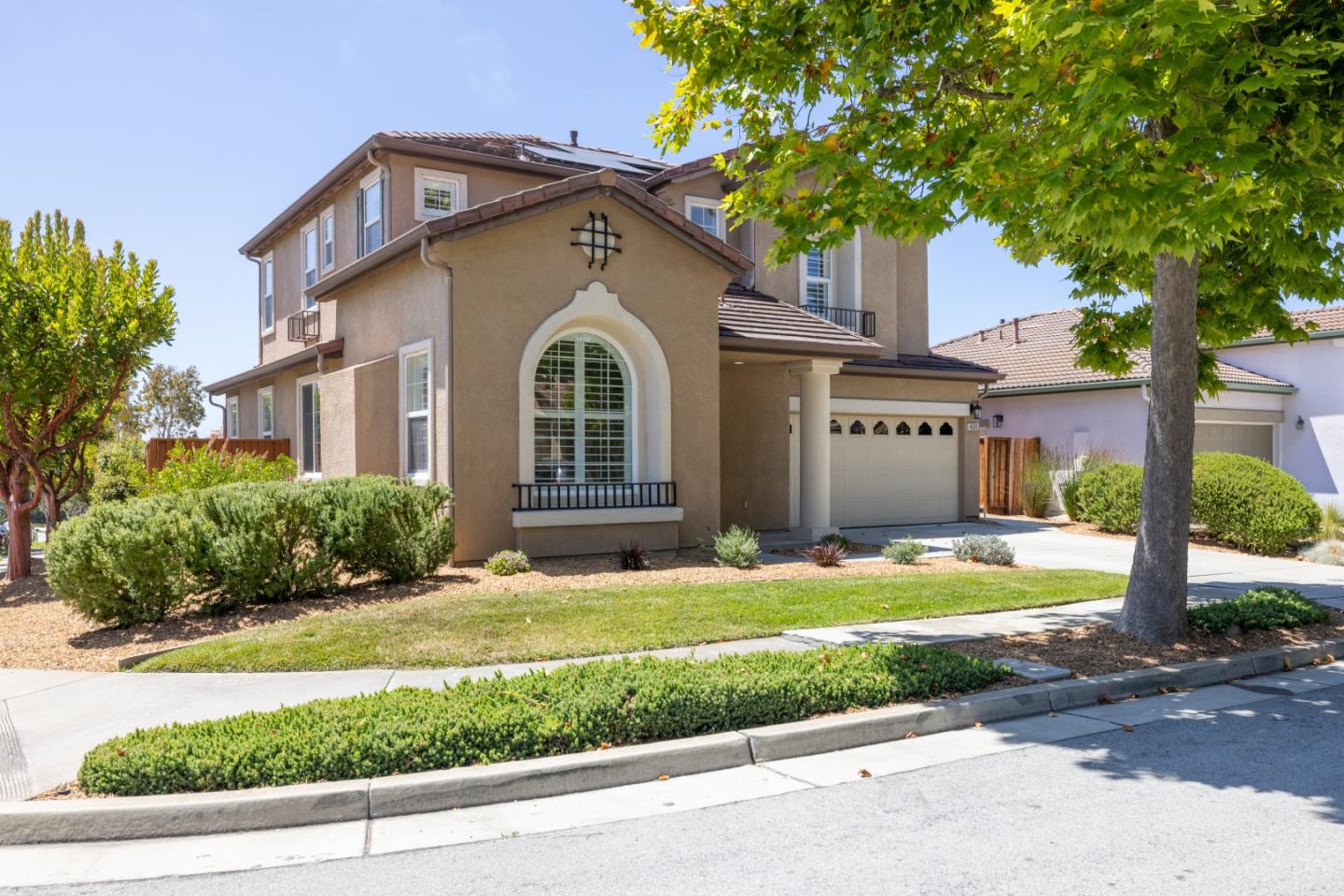
These sister communities, the larger town of Seaside surrounding the smaller Sand City, are in many ways the commercial heart of the Monterey Peninsula. Their friendly and affordable neighborhoods, parks and recreation, thriving artistic community and gorgeous beaches appeal to residents of all ages.
Seaside occupies a unique position on the Monterey Peninsula. Located between Monterey and Marina, it offers coastal proximity, expanding redevelopment areas, and some of the Peninsula’s most accessible housing inventory.
Historically known for its military roots and working-class neighborhoods, Seaside has steadily evolved into a diverse residential market with growing buyer interest.
Below are the most common questions buyers and sellers ask when evaluating Seaside real estate.
Seaside is one of the Peninsula’s most varied and attainable residential markets.
Within the city you’ll find:
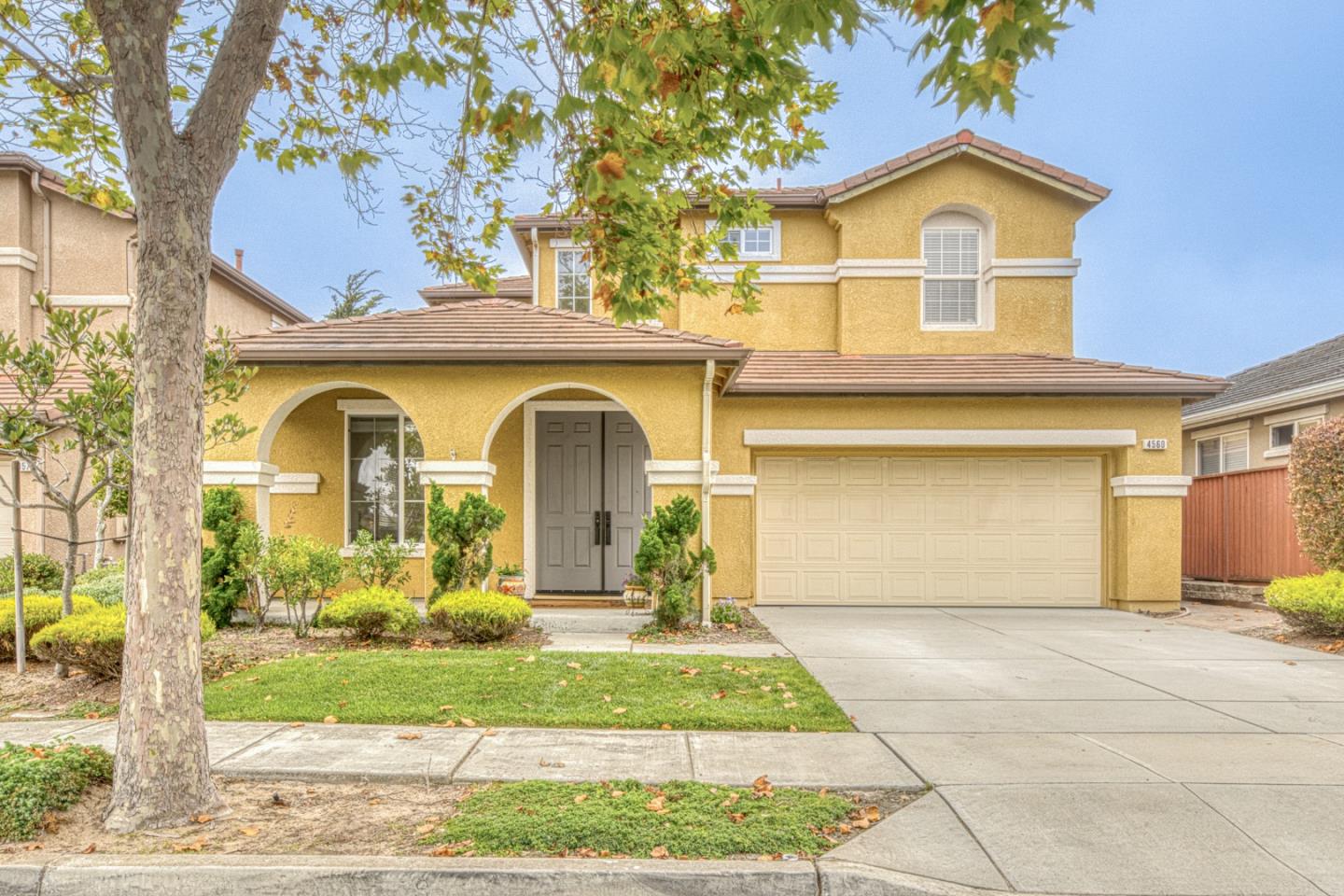
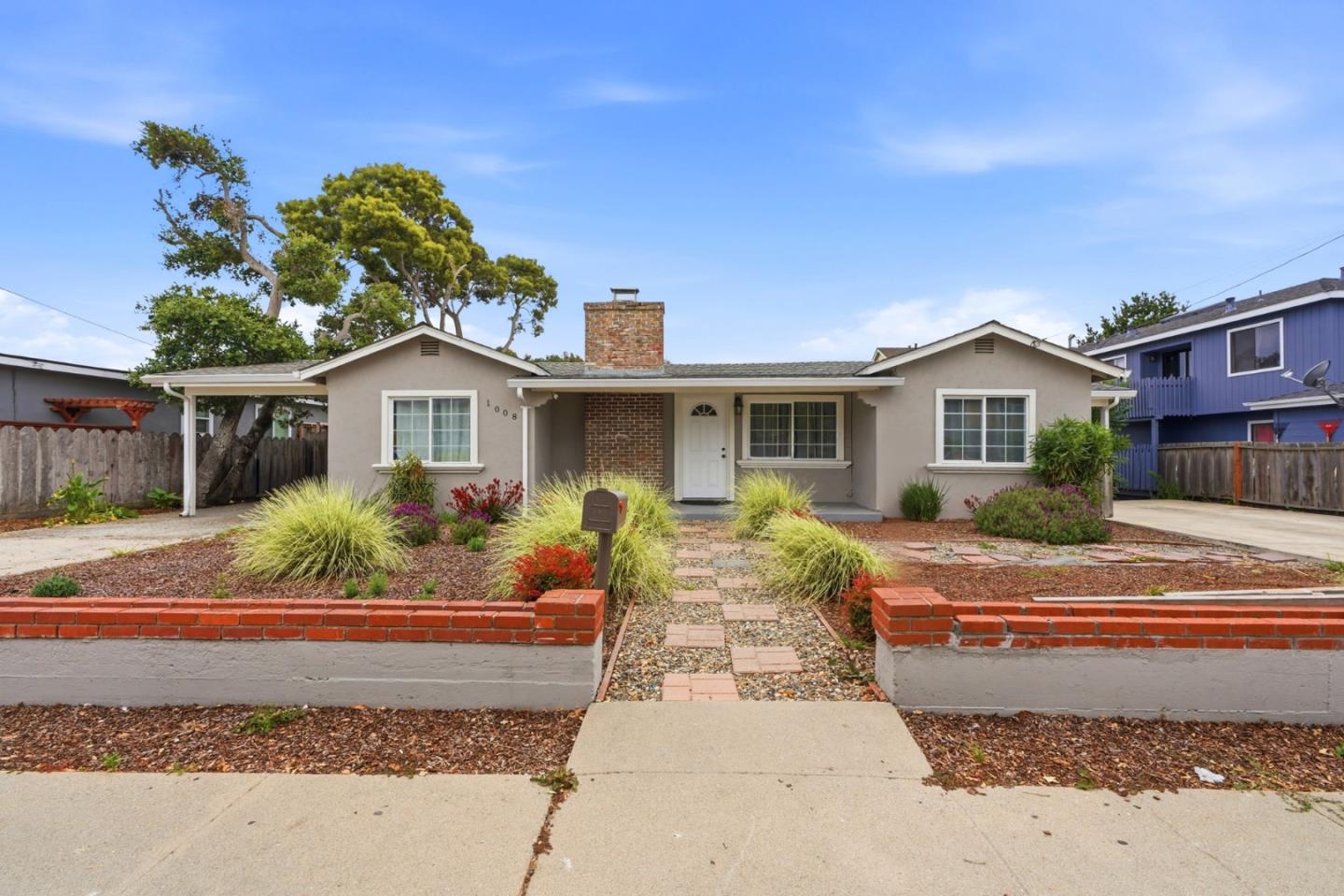
Post-war single-family neighborhoods
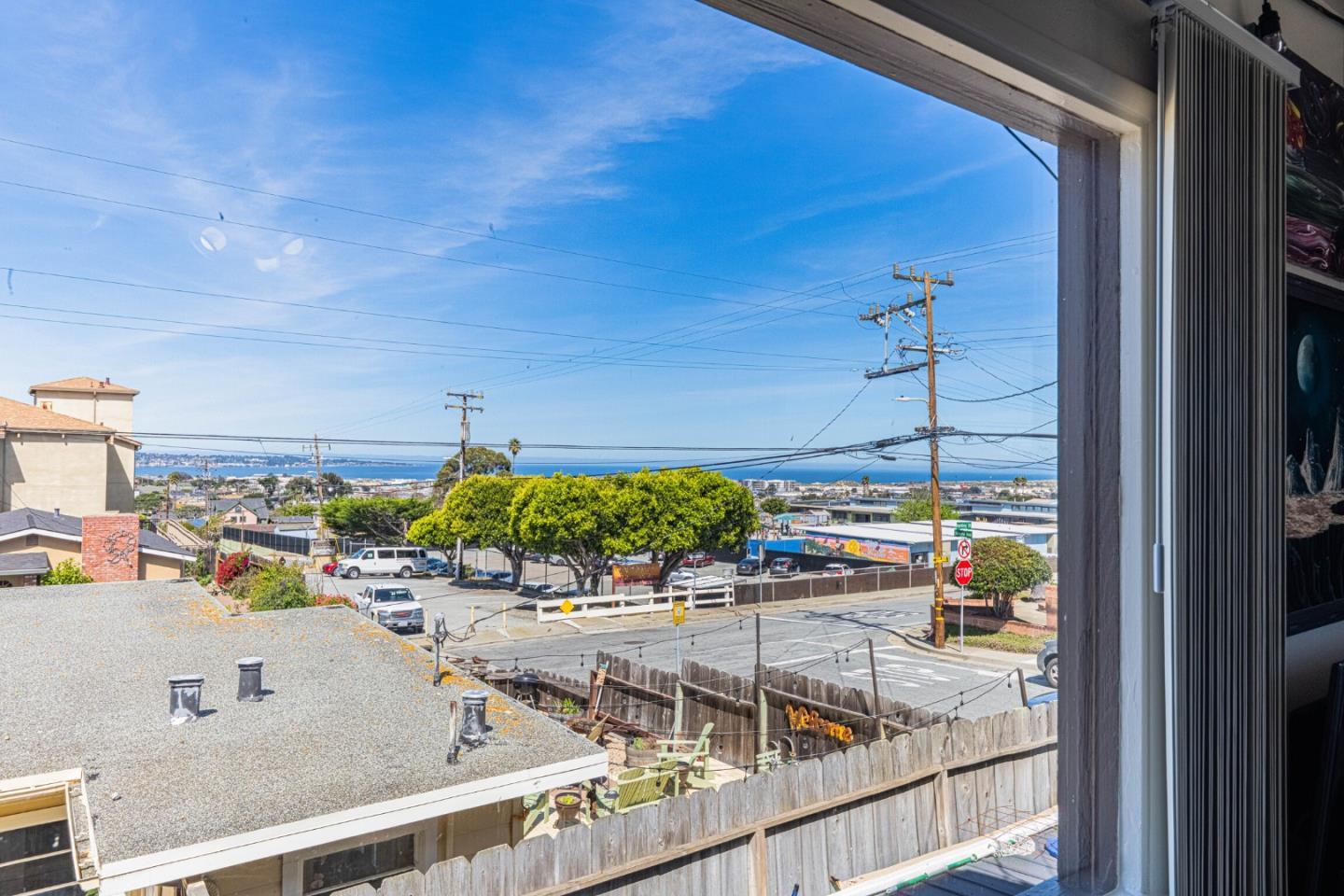
Hillside homes with bay views
Redevelopment areas near Broadway Avenue
Properties adjacent to the former Fort Ord lands
Proximity to CSUMB and Marina
Compared to Carmel or Pacific Grove, Seaside offers:
Smaller lot sizes
More modest home footprints
Broader entry-level pricing
Greater investor participation
It functions primarily as a primary-residence market, with steady local demand.
Yes.
Seaside supports:
Full-time local residents
Military-affiliated households
First-time buyers
Long-term renters
Peninsula workforce families
Unlike Carmel or Pebble Beach, Seaside is not driven by discretionary second-home purchasing. That foundation creates a more employment-linked housing market.
Demand tends to correlate with regional economic stability rather than tourism cycles.
Ocean views do carry value, particularly in hillside neighborhoods overlooking the bay.
However, in Seaside:
Entry-level affordability
Proximity to employment centers
Access to Highway 1
Walkability to schools and parks often influence buyer decisions as much as views.
View premiums exist, but the market remains more price-sensitive than luxury coastal submarkets.
Monterey typically offers:
Greater housing diversity (condos, hillside homes, coastal neighborhoods)
More tourism-related amenities
Higher average pricing
Seaside offers:
More attainable entry points
Strong primary residence orientation
Emerging redevelopment corridors
Closer proximity to CSUMB and Marina
The choice often comes down to budget, neighborhood preference, and proximity to work rather than pure coastal prestige.
Seaside has seen gradual redevelopment and infrastructure investment, particularly along:
Broadway Avenue
Former Fort Ord transition areas
Commercial corridor improvements
These changes contribute to:
Increased retail and dining options
Housing demand near redevelopment zones
Gradual neighborhood modernization
However, Seaside remains a primarily residential city rather than a resort destination.
Long-term value is more closely tied to regional employment and housing demand than tourism cycles.
Seaside is one of the Peninsula markets where long-term rental demand plays a meaningful role.
Drivers include:
Military and defense language institute presence
CSUMB
Hospitality and healthcare employment
Peninsula workforce housing needs
Buyers considering rental property should verify zoning and short-term rental regulations, but long-term rental demand has historically remained steady.
Because price points are lower relative to Carmel and Pebble Beach, Seaside often attracts investor interest.
Because Seaside is more employment-linked and rate-sensitive, it may respond more directly to mortgage rate shifts than luxury submarkets.
However, housing demand on the Peninsula remains constrained overall, and Seaside plays an important role in serving workforce and entry-level buyers.
Well-maintained homes priced appropriately tend to remain competitive, especially those near schools, parks, and commuter routes.
Neighborhood-level pricing trends matter more than city-wide averages.
Many Seaside homes were built mid-20th century.
Common considerations include:
Foundation age
Roofing and exterior maintenance
Electrical updates
Sewer lateral and plumbing condition
Lot drainage
Buyers should conduct thorough inspections, particularly when purchasing older housing stock.
Renovated properties often command meaningful premiums relative to original-condition homes.
Seaside has seen gradual evolution rather than rapid transformation.
Infrastructure improvements, retail expansion, and Peninsula-wide housing demand have increased buyer interest over time.
However, it remains grounded as a residential community serving local households.
Its long-term trajectory is closely tied to broader Monterey Peninsula economic stability and land availability.
Because Seaside includes many entry-level and first-time buyers, presentation and pricing are especially important.
Sellers benefit from:
Addressing deferred maintenance
Providing inspection transparency
Highlighting view corridors when applicable
Pricing relative to hyper-local comparables
Clarifying any rental history if relevant
Homes that feel updated and well-maintained typically perform strongest in this market.
Seaside plays a vital role in the Peninsula housing ecosystem.
It offers:
Accessibility
Primary-residence stability
Proximity to employment centers
Gradual redevelopment momentum
While it does not carry the resort identity of Carmel or Pebble Beach, it provides durable housing demand rooted in full-time residency and regional economic activity.
For buyers and sellers, understanding neighborhood distinctions and housing condition is more important than relying on broad coastal narratives.

Compass
6th Ave between Dolores St and San Carlos
Carmel-by-the-Sea, CA 93921
CA DRE# 02127946
The Weathers Gannaway Group