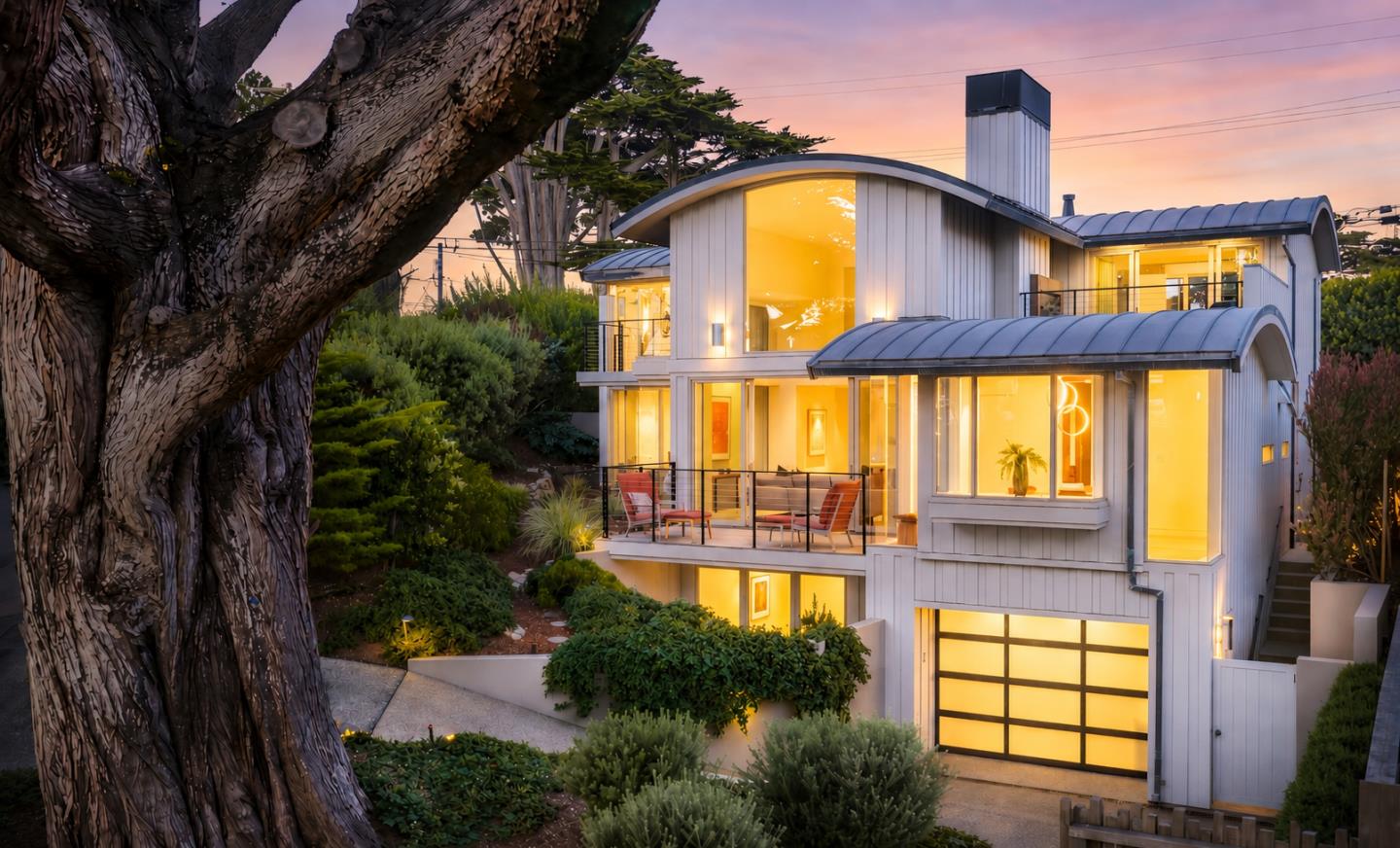
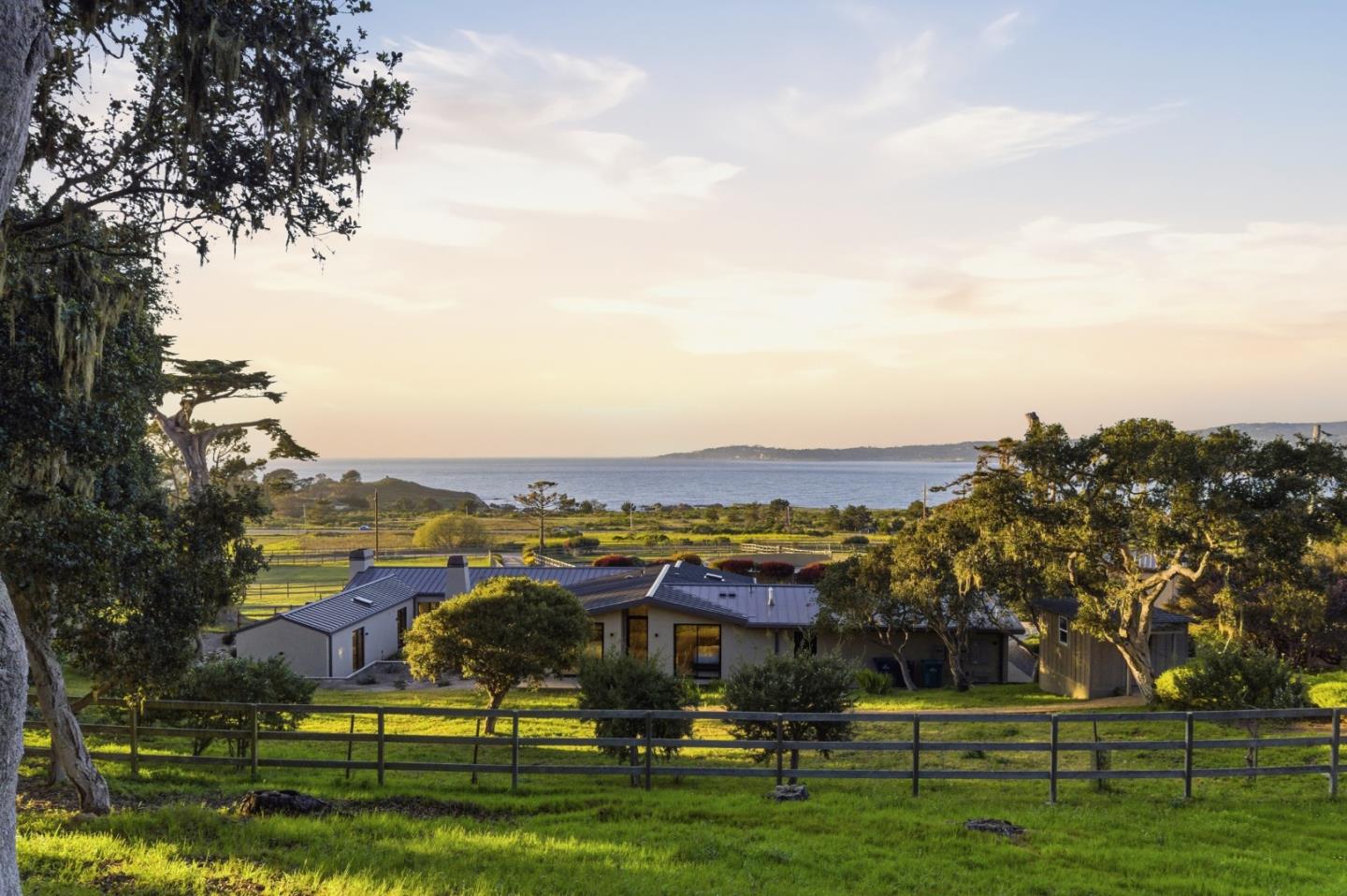
Welcome To
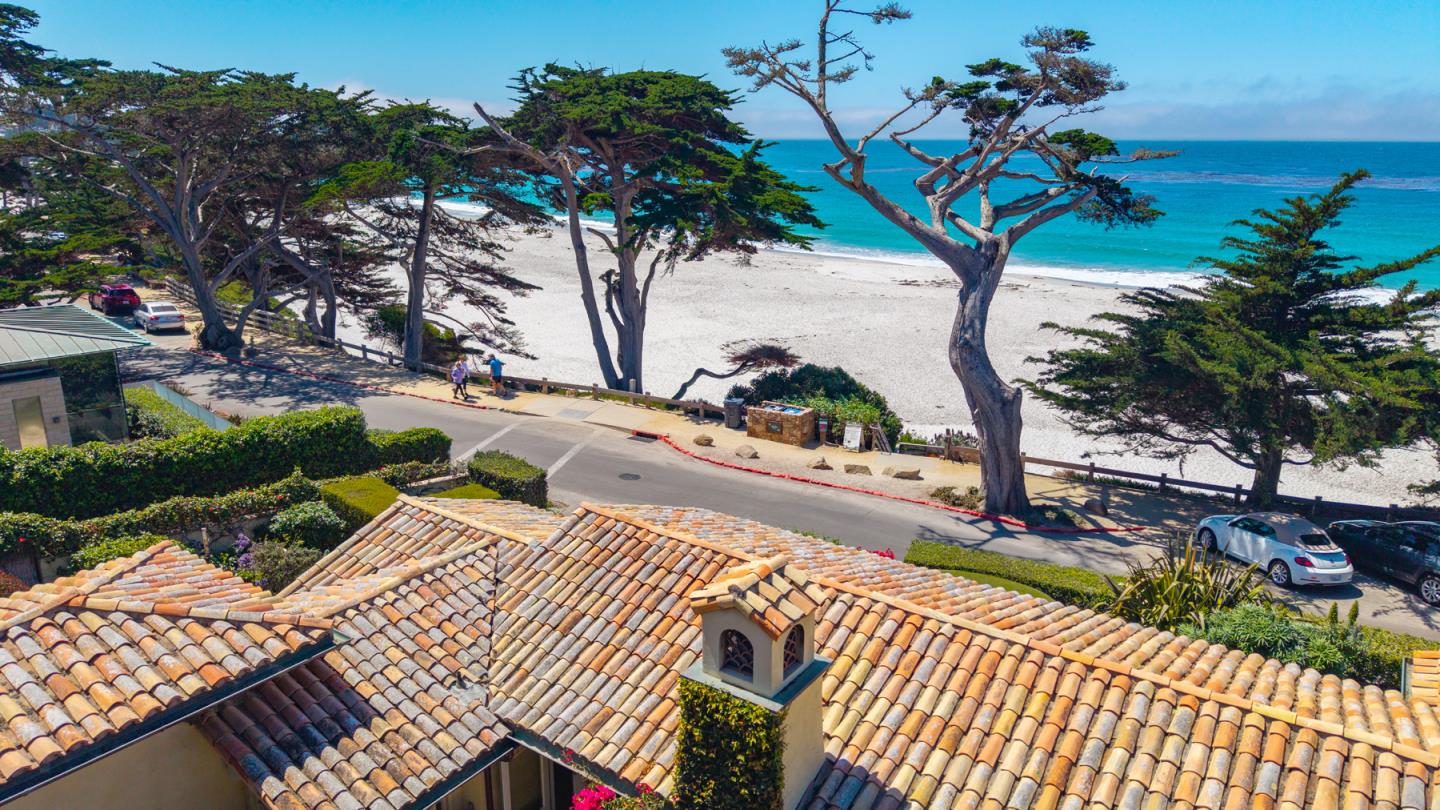
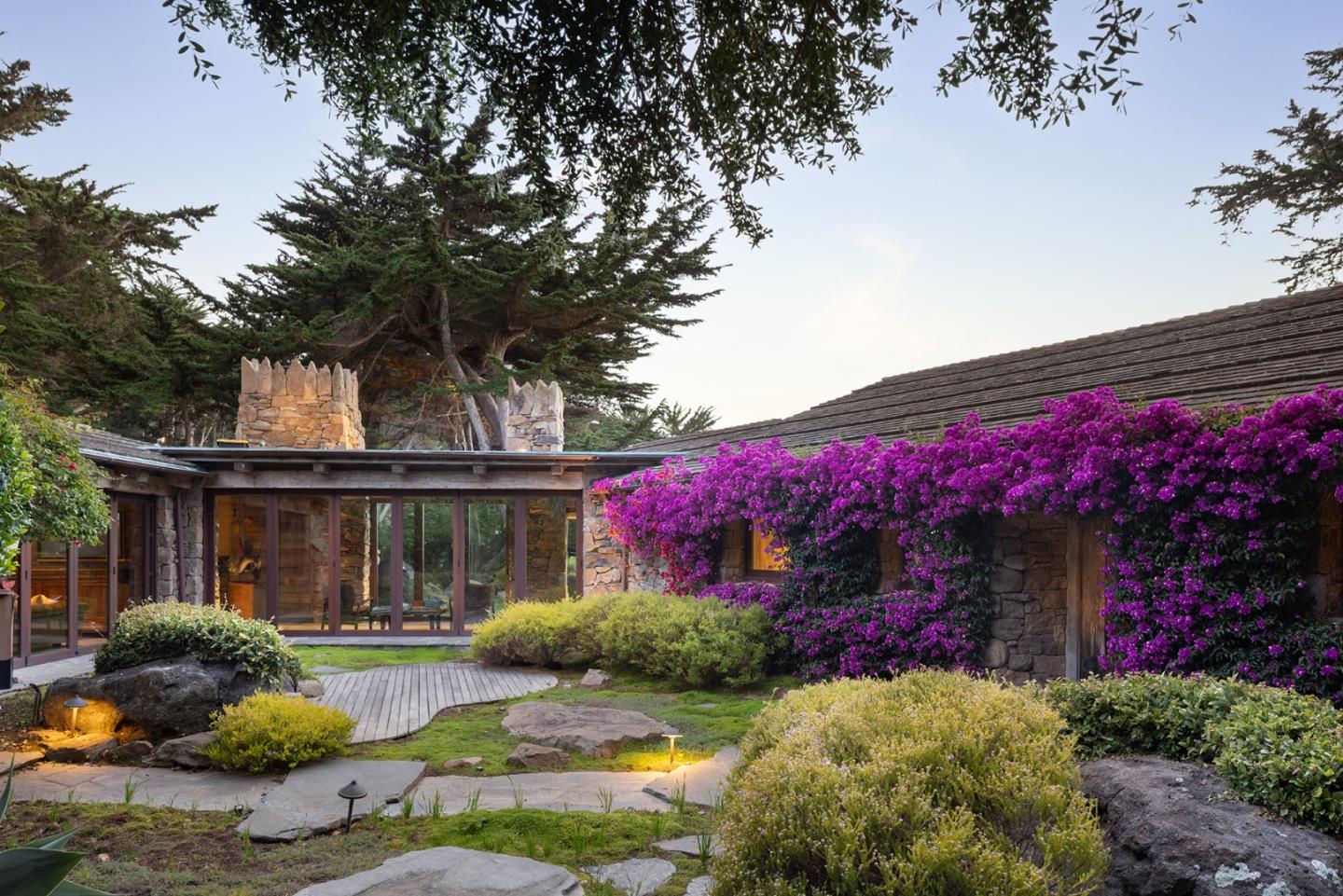
Once an enclave for turn-of-the-20th-century bohemian artists, Carmel (a.k.a. Carmel-by-the-Sea) is one of the most enchanting small towns in America – an idyllic spot for visitors and locals alike. Its central village is filled with charming shops, delicious restaurants, picturesque inns for visitors, and galleries of beautiful art, while the architecture of the surrounding neighborhoods enchants with its fairy-tale cottages and elegant Spanish and Tudor Revival houses.
Carmel isn’t just expensive — it’s nuanced. Pricing, timing, and long-term value are heavily influenced by micro-location, regulatory overlays, and buyer profile. Below are the questions I’m most often asked by serious buyers and sellers.
“Average” can be misleading in Carmel because inventory is small and properties vary dramatically.
In Carmel-by-the-Sea, price is driven less by square footage and more by:
Proximity to Ocean Avenue
Whitewater views
Lot size (many lots are 4,000 sq ft or smaller)
Architectural charm and condition
Parking (which is limited in many areas)
A renovated cottage on a standard lot west of Highway 1 will trade very differently than a larger but dated home east of Highway 1.
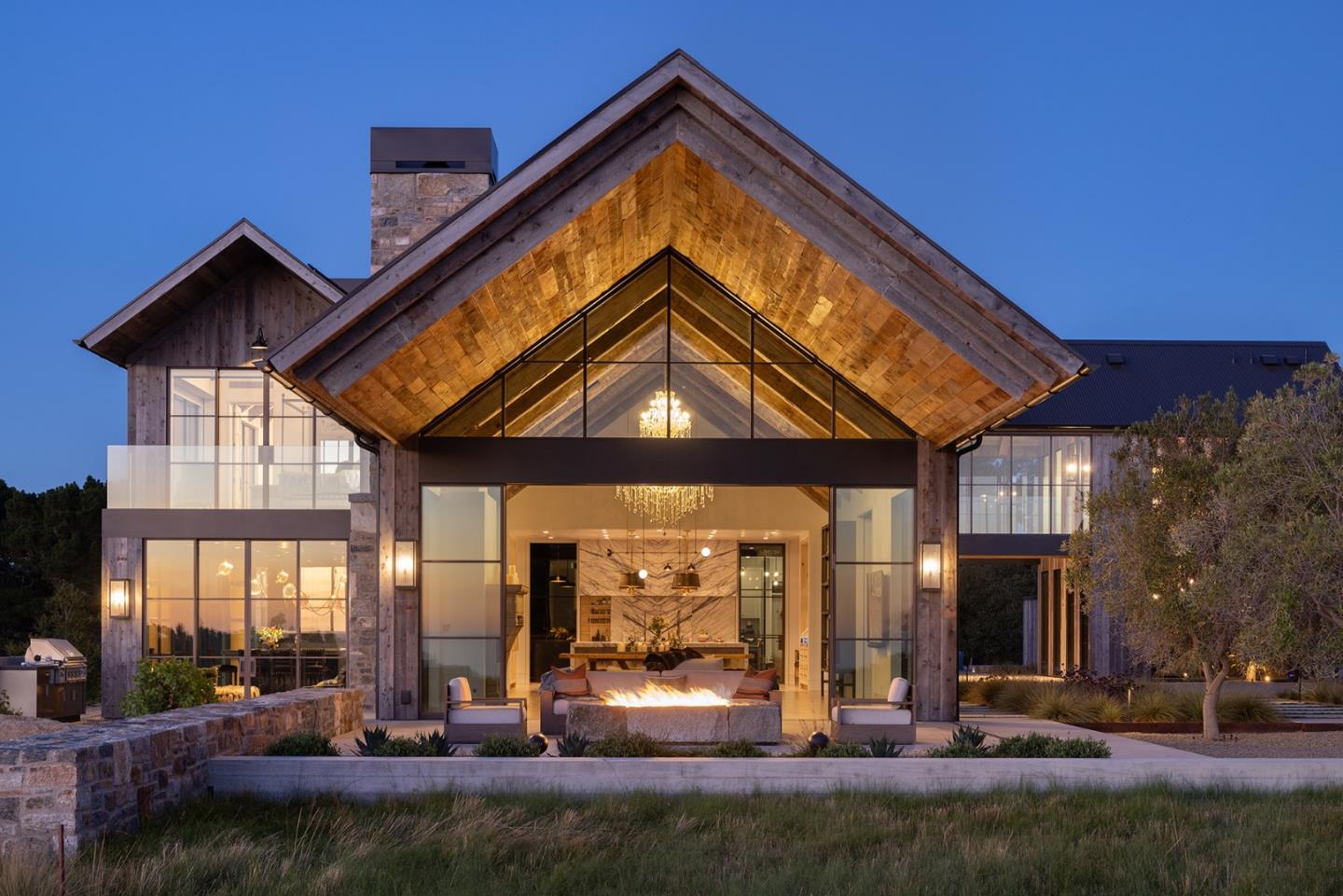
Pebble Beach values often correlate more directly to:
Ocean frontage
Golf course frontage
Gated privacy
Acreage
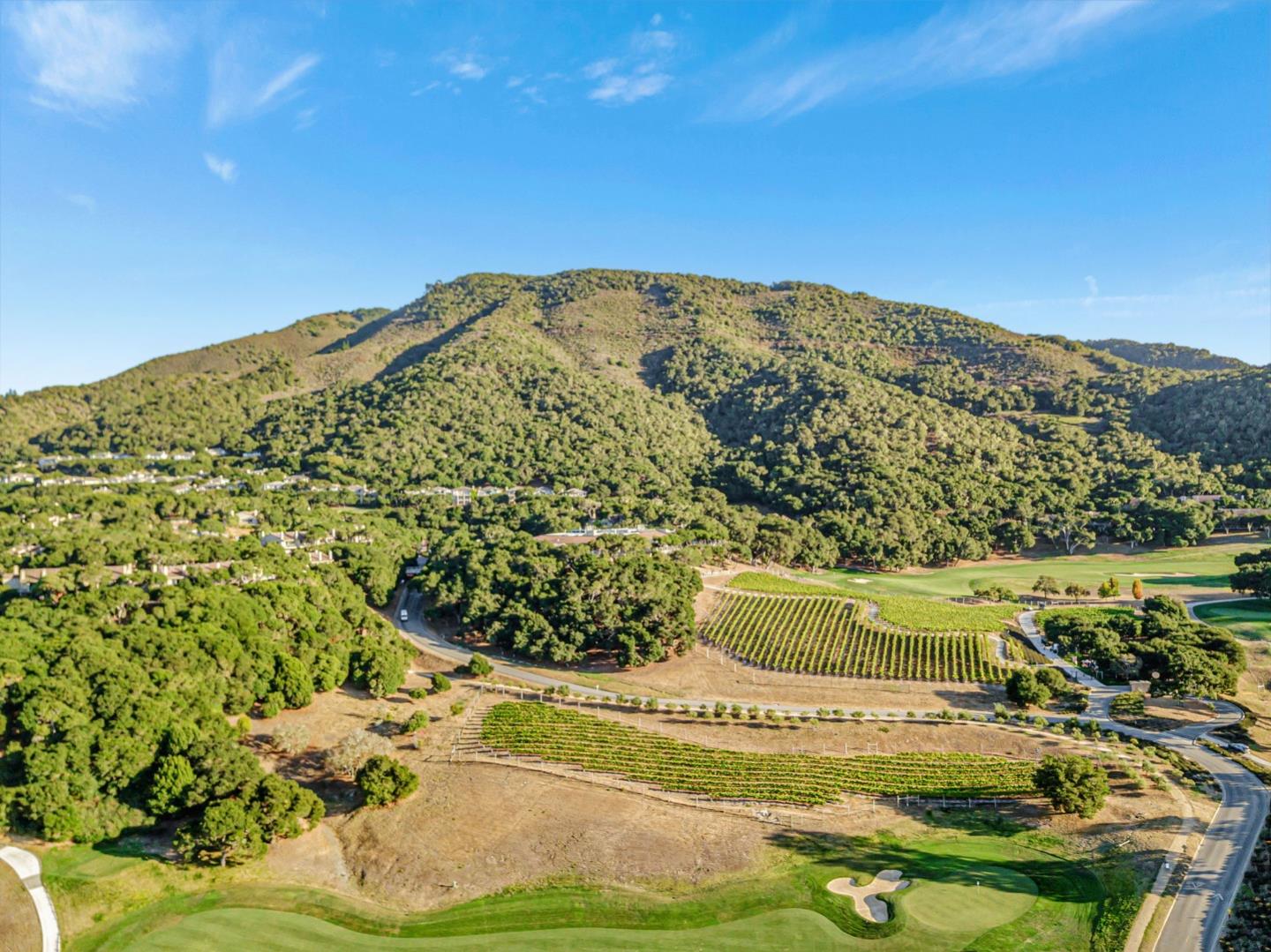
Carmel Valley pricing is influenced more by:
Land size
Sun exposure
Usability of terrain
Access to the village or schools
Because inventory is limited, even one or two high-end sales can shift quarterly averages.
Carmel is protected — physically and structurally.
Supply is constrained by:
Strict Coastal Commission oversight
Historic preservation standards
Tree and view protections
Limited new development
There’s very little opportunity to materially increase housing supply.
Demand, meanwhile, is largely discretionary and often cash-driven. Many buyers are purchasing lifestyle, not necessity — which insulates pricing from some of the volatility seen in purely primary-residence markets.
Carmel also has something rare: emotional attachment. Buyers often return for decades before purchasing.
Carmel tends to perform more like a legacy asset market than a speculative growth market.
Over longer cycles, it has historically shown resilience because:
Buildable land is limited
View properties cannot be replicated
High-income buyers provide a stable demand base
It is not heavily dependent on local employment
However, appreciation is not uniform. Properties that lack views, walkability, or usability may see slower growth compared to prime locations.
The market rewards quality and location disproportionately.
Extremely — but with nuance.
Not all views are equal.
There’s a significant value difference between:
Full whitewater views
Filtered ocean glimpses
Distant horizon views
Seasonal views impacted by trees
In addition, view corridors are often protected, but not always guaranteed indefinitely. Buyers should confirm whether trees are protected or subject to trimming.
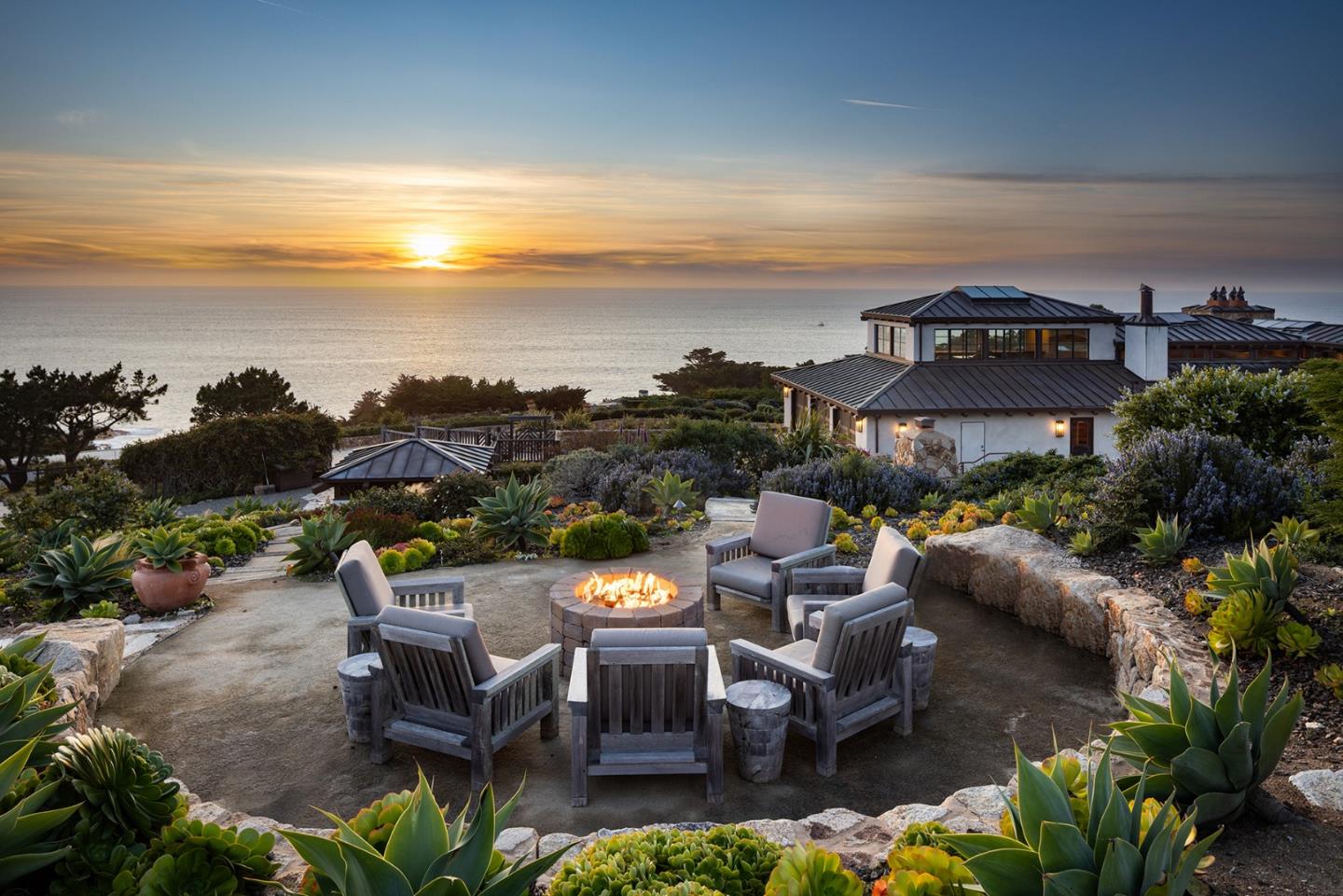
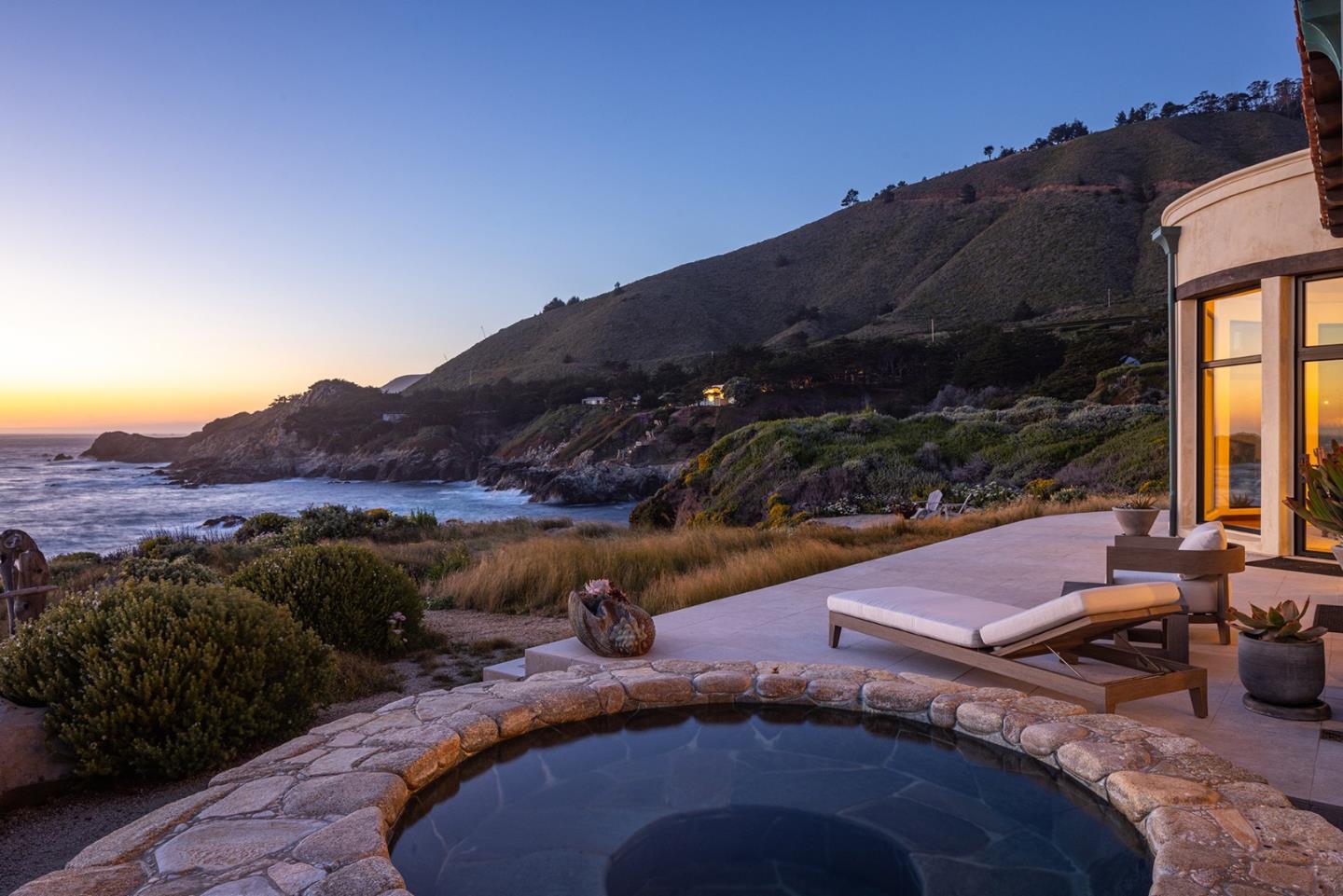
In Pebble Beach, oceanfront carries a different premium than elevated ocean view. In Carmel Highlands, bluff positioning and structural integrity also become major value factors.
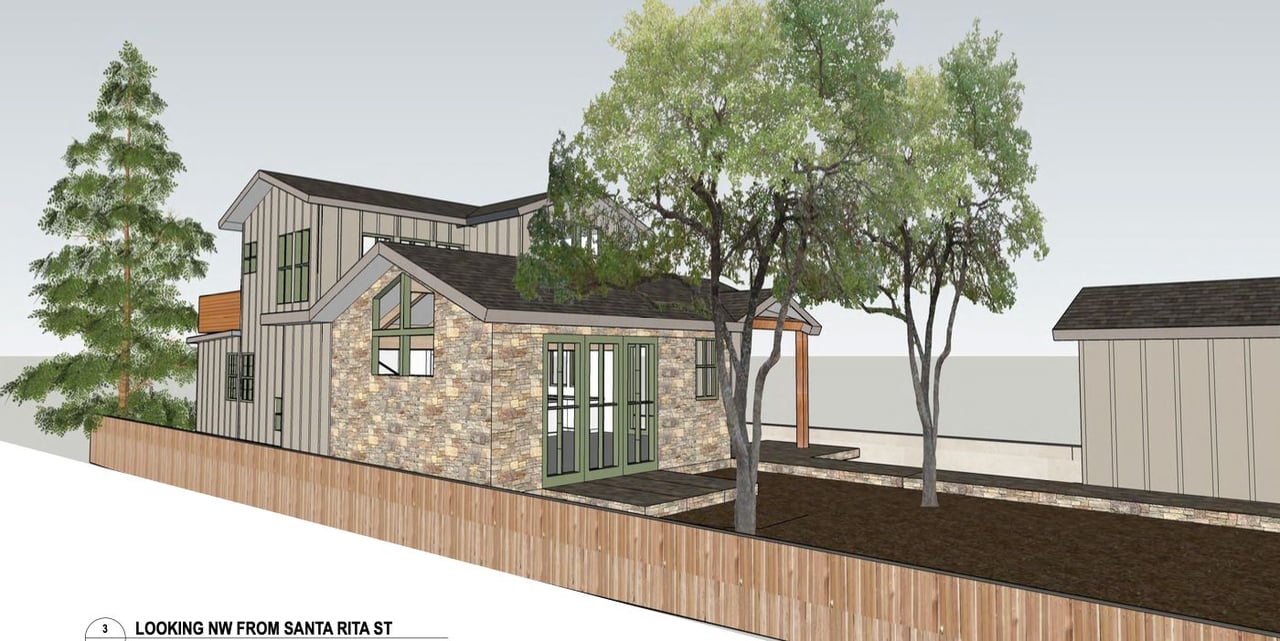
Renovation is possible — but timelines and approvals matter.
Key considerations:
Coastal Commission review may be required depending on location.
Historic homes have additional oversight.
Height restrictions and story poles are common.
Tree removal can be restricted.
Septic systems are still present in certain areas.
Projects typically take longer than buyers expect, and soft costs can be higher due to compliance requirements.
That said, well-executed renovations often see strong resale premiums because turnkey inventory is limited.
In many cases, no.
Carmel-by-the-Sea has historically limited vacation rentals, and enforcement can be strict. Buyers looking for income generation should evaluate Monterey County guidelines carefully and verify current regulations before closing.
Pebble Beach and unincorporated areas operate under different jurisdictions, but restrictions are still common.
Carmel is generally not positioned as a high-yield short-term rental market — it is more commonly a personal-use or long-term hold market.
Carmel does have seasonality.
Stronger activity typically aligns with:
Spring and early summer
Concours and major regional events
Holiday periods when second-home buyers visit
However, serious buyers transact year-round. Because inventory is limited, compelling properties can sell quickly even in traditionally slower months.
Luxury buyers are less rate-sensitive than primary-residence buyers, which moderates volatility.
A substantial portion of buyers are second-home owners, particularly in:
Carmel-by-the-Sea
Pebble Beach
Carmel Highlands
Carmel Valley tends to have a higher percentage of full-time residents due to schools and larger properties.
Understanding the ownership mix of a specific street can matter for neighborhood dynamics, maintenance standards, and long-term resale appeal.
Competitiveness depends more on property quality than general market conditions.
Well-priced, renovated homes in prime locations often attract strong interest quickly.
Unique estates, highly customized properties, or homes priced aspirationally may require more patience.
Because transaction volume is relatively low, each listing needs to be evaluated individually rather than relying solely on broad market statistics.
In Carmel, preparation often determines outcome.
Important steps include:
Addressing deferred exterior maintenance (salt air is unforgiving)
Pre-listing inspections to minimize surprises
Thoughtful staging that aligns with coastal expectations
Accurate pricing based on hyper-local comparables
Clear disclosure on zoning and regulatory factors
Carmel buyers tend to be thorough. Transparency and presentation build trust.
Carmel is a market defined by detail.
Lot lines matter. View corridors matter. Regulatory overlays matter. Micro-location matters.
Two homes that appear similar on paper can perform very differently in the marketplace.
Whether buying or selling, decisions in Carmel benefit from careful evaluation of nuance rather than broad generalizations.

Compass
6th Ave between Dolores St and San Carlos
Carmel-by-the-Sea, CA 93921
CA DRE# 02127946
The Weathers Gannaway Group